Americans cut sodium intake with simple, science-backed strategies
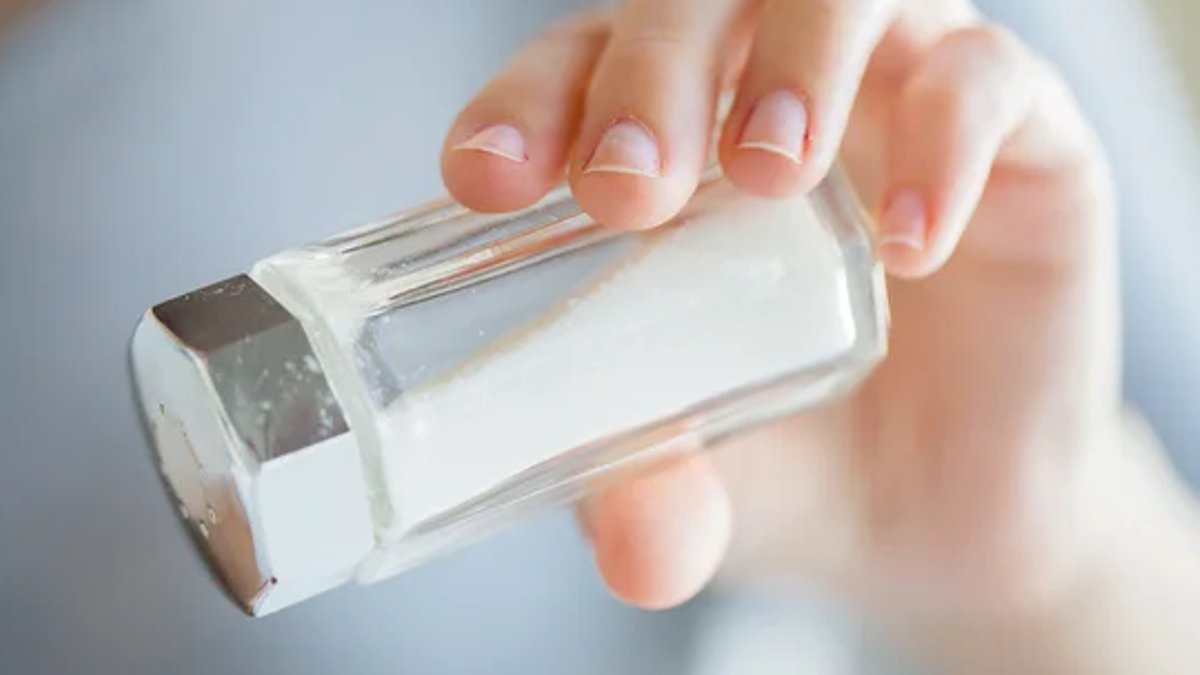
A single handful of potato chips can feel impossible to resist. The crunch, the salt, and the way it clings to fingers create an almost irresistible pull. Yet what begins as a fleeting urge often hardens into a habit that carries serious health risks. While the body requires sodium to function, overconsumption throws off fluid balance, strains organs, and gradually damages vital systems.
Most Americans consume 3,400 milligrams of sodium daily, nearly 50% more than the recommended 2,300 mg. This excess contributes to swollen extremities, persistent headaches, and long-term dangers like cognitive decline, heart strain, and kidney stress. Research demonstrates that high sodium levels stiffen blood vessels, forcing the heart to labor harder to circulate blood. Even the brain suffers, as excess salt disrupts circulation, impairing concentration and memory.
Salt cravings rarely stem from willpower alone. Dehydration, stress, hormonal fluctuations, or medical conditions like Addison’s disease often lie at the root. Processed foods—75% of the sodium in the average American diet—fuel this cycle. A bag of chips or a fast-food meal isn’t just a snack; it delivers a concentrated sodium hit that triggers cravings.
How to Cut Sodium Without Sacrificing Flavor
Breaking the habit demands more than determination. The solution lies in gradual adjustment. Begin by tracking sodium intake with a food diary, then reduce it in home-cooked meals by small increments—a quarter teaspoon less at a time. Over weeks, taste buds adapt, making lower-sodium food feel satisfying. Swapping processed snacks for whole foods—fresh vegetables, nuts, or homemade soups—cuts hidden sodium while adding nutrients. The American Heart Association’s guideline of 2,300 mg daily becomes achievable when control shifts from restaurant menus to personal cooking.
Herbs and spices offer powerful alternatives. A pinch of garlic powder, smoked paprika, or turmeric can replace salt entirely. Pre-made spice blends—like cumin, black pepper, and onion powder, add depth without sodium spikes. Thoughtfully prepared whole foods often outperform processed options in flavor.
Dehydration frequently masquerades as a salt craving. The body signals thirst by mimicking a desire for salty snacks. Drinking water consistently, especially before reaching for chips, helps regulate electrolytes and reduces false cravings. Chewing sugar-free gum can also disrupt the urge by keeping hands and mouth occupied while the brain resets.
Stress drives many salty snack habits. When overwhelmed, people often seek the quick dopamine boost of sodium-rich foods. Exercise, sufficient rest, and social activities, such as joining a gym or community sports, can break this cycle. Boredom also plays a role; without structure, people default to the easiest option. A meal plan eliminates impulsive choices by ensuring healthy snacks are always available.
For those who still crave salty flavors, naturally low-sodium options exist. Roasted chickpeas, Parmesan crisps, or homemade popcorn (tossed with nutritional yeast or herbs) provide satisfaction without the sodium overload of store-bought versions. Even restaurant dining can work by choosing kitchens that cook from scratch over pre-packaged meals.
Why Withdrawal Symptoms Happen, and How to Cope
The adjustment period won’t be immediate. Sudden salt reductions can trigger withdrawal-like symptoms, headaches, fatigue, as the body adapts. The answer lies in slow, steady progress. Reduce intake by 10% weekly and pair it with habits that distract from cravings, such as hydration, gum-chewing, or short walks. Over time, the brain’s preference for salt fades, replaced by an appreciation for real flavor.
Awareness is the first step. Many underestimate their sodium consumption, a single fast-food burger can contain 1,500 mg, nearly two-thirds of the daily limit. The craving extends beyond taste; it reflects a cycle shaped by decades of processed food marketing and convenience culture. Change is possible through small, consistent adjustments.
Late-night cravings often spike when stress and boredom combine to weaken resolve. Many turn to chips or pretzels to unwind after a long day, but this habit can disrupt sleep patterns. Research shows late-night snacking, especially salty foods, interferes with melatonin production, the hormone regulating sleep. Over time, this throws off circadian rhythms, increasing fatigue and cravings the next day. Solutions include storing snacks outside the kitchen, brushing teeth after dinner to signal meal endings, or replacing salty late-night options with warm herbal tea or unsalted nuts.
Handling Social Pressures and Late-Night Cravings
Social gatherings pose another challenge, as shared platters of chips, pretzels, and pickles make resistance difficult. Studies indicate people consume about 30% more food when eating with others, particularly when high-sodium options dominate. The answer is preparation: bring a low-sodium dish to share, such as roasted vegetables with a lemon-herb marinade, or choose restaurants with customizable meals. Many chains now offer “build-your-own” salad or taco bars, allowing diners to skip pre-salted toppings and add fresh ingredients. Even at parties, pairing salty appetizers with unsalted crackers or fresh fruit helps balance intake discreetly.
Emotional triggers often disguise themselves as salt cravings. The brain’s reward system activates when consuming sodium-rich foods, releasing dopamine similarly to other addictive substances. For some, salty snacks become a coping mechanism during emotional stress. Addressing the root cause, through therapy, journaling, or stress-reduction techniques, can break the cycle. Simple alternatives, like squeezing a stress ball or taking a five-minute walk when a craving arises, interrupt the automatic reach for comfort food. Over time, the brain associates emotional relief with healthier behaviors, reducing sodium dependence for mood regulation.
Medical Risks and Hidden Sodium in Everyday Foods
For individuals with kidney disease or hypertension, even modest sodium reductions yield significant benefits. The National Kidney Foundation advises patients to limit intake to 1,500 mg daily, requiring careful monitoring of packaged foods. Labels often conceal sodium in unexpected sources, bread, deli meats, and canned soups, where a single serving can exceed 500 mg.
Reading nutrition facts is essential, as brands vary widely; for example, a slice of store-bought pizza may contain 600 mg of sodium, while a homemade version with no added salt might have less than 200 mg. Medical professionals recommend tracking sodium for a week to identify hidden sources, then replacing high-sodium items with lower alternatives, such as unsalted rice cakes or air-popped popcorn.
Consistency remains the most effective strategy. Daily choices, like selecting water over soda or herbs over salt in cooking, accumulate over time. The American Heart Association notes that even a 1,000 mg reduction in daily sodium can lower blood pressure within weeks. The goal isn’t perfection but progress. A single indulgence doesn’t erase weeks of effort. Instead, focus shifts to the next meal, the next snack, and the gradual move toward flavors that no longer rely on excess sodium. By the end of a month, the difference in taste, and health, becomes clear.

Nature walks boost mental health and well-being


