FDA seeks public input on robotic surgery safety rules
The Food and Drug Administration has opened a public consultation on robotic medical devices designed to function autonomously or under remote control, signaling an effort to establish formal guidelines for these emerging tools in surgical and diagnostic applications.
The agency released a discussion document last week that identifies key challenges in balancing technological progress with patient safety. Autonomous and remote-controlled systems present distinct risks, including system malfunctions, diminished real-time supervision, and potential errors during detailed procedures. The FDA is now soliciting feedback on how to clarify technical definitions, evaluate associated hazards, and enforce safety requirements without stifling innovation.
Stakeholders have until January 5 to submit comments, with a public workshop set for December 2–3 to examine critical policy questions. The agency pointed out that telesurgery, where surgeons operate from remote workstations, has been deployed in countries such as China and India, yet no fully autonomous or remotely controlled robotic medical devices have received FDA clearance in the U.S. as of July.
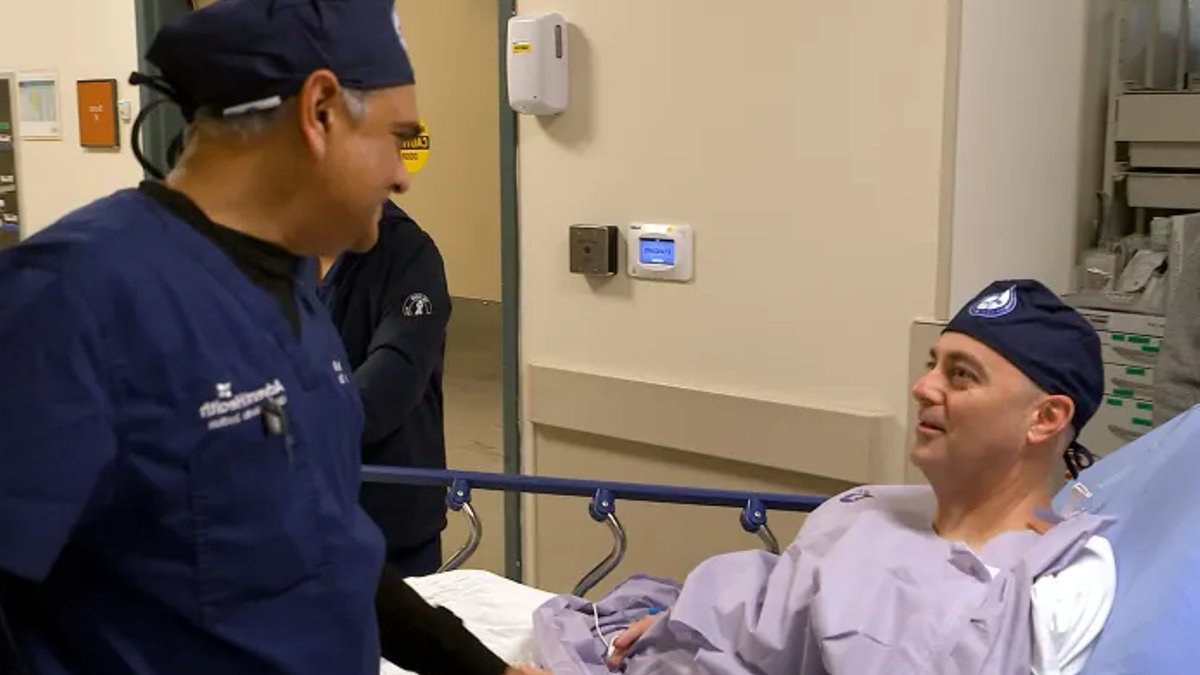
Dr. Vipul Patel, director of the Global Robotics Institute at AdventHealth Celebration in Florida, recently conducted a robotic prostatectomy on a patient located 35 miles away in October, operating under an investigational exemption.
Beyond surgical applications, manufacturers are actively developing remote-controlled tools for tasks such as ultrasound imaging, stereotactic navigation systems, and diagnostic imaging. Researchers are also investigating autonomous functions, including robotic systems capable of drawing blood without human assistance or automatically halting internal bleeding. These advancements depend on progress in artificial intelligence, machine learning, and high-speed connectivity, all of which have accelerated the integration of robotic solutions in healthcare.
While greater autonomy could enhance procedural precision, consistency, and operational efficiency, the FDA warns of dangers such as flawed autonomous decision-making, overdependence on technology, and limited responsiveness to unforeseen clinical scenarios. The agency stresses that any regulatory approach must carefully weigh these trade-offs as robotic systems become more prevalent in medical settings.


