Dental Implants Costs Risks and Long Term Care
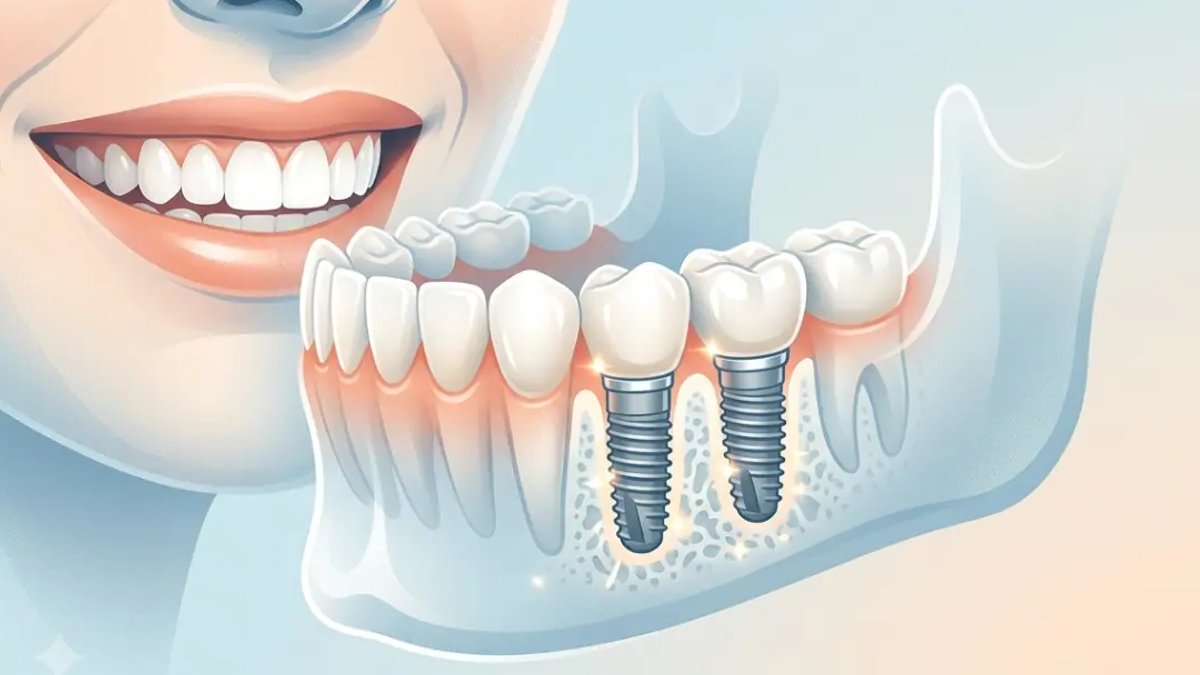
Dental implants provide a permanent solution for tooth loss, but the financial reality often includes hidden costs like bone grafting and insurance gaps. A single implant typically costs between $3,000 and $6,000, yet that figure rarely covers the entire procedure. The base price usually includes the implant post, abutment, and crown, but additional treatments can significantly increase the final bill.
The implant post itself runs from $1,000 to $3,000. The connector piece, known as the abutment, adds another $300 to $800, and the crown costs $800 to $3,000 depending on the material. Bone grafting is the most common hidden expense. Roughly half of all patients need this procedure, which can add anywhere from $250 to over $5,000 depending on the graft material and complexity. If a patient uses their own bone for the graft, the cost rises since it requires a second surgical site.
Related: Fall victims entitled to compensation claims
Healing time also affects the timeline. Bone graft healing alone can take three to nine months before an implant can be placed. This means a full treatment plan might span a year rather than a few months. Insurance policies often exclude the implant post as a cosmetic or elective procedure, though a bone graft tied to the same treatment might receive partial coverage. For those missing an entire arch of teeth, full-arch options like All-on-4 range from $24,000 to $50,000, which can actually be cheaper per tooth than individual implants despite the higher upfront number.
Success Rates and Risk Factors
Dental implants function by fusing with the jawbone, a process called osseointegration. Most procedures succeed, with survival rates around 96.8% at five years and 92.8% at ten years. However, failure is not random and correlates with specific risk factors. Smoking is the biggest modifiable risk, increasing failure rates by roughly 140% compared to non-smokers. Nicotine restricts blood flow to the jaw, which slows the bone-healing process essential for integration.
Diabetes often causes unnecessary worry for patients, but a meta-analysis of over 40,000 implants found no significant link between diabetes and failure, provided blood sugar is well-controlled. Other factors, such as poor bone quality, gum disease, and radiotherapy, also contribute to higher failure rates. These issues are identifiable during a pre-treatment evaluation, allowing surgeons to adjust the plan before surgery begins.
Related: Professional Counseling Boosts Mental Health in Five Ways
The psychological impact of a complete smile extends beyond the mouth, influencing self-esteem and social interactions. Studies indicate that people with attractive smiles are often perceived as more successful and trustworthy. While implants cannot get cavities, the gum and bone around them can develop disease. Peri-implantitis, which involves bone loss, affects about 20% of patients over the life of the implant. Regular checkups are key, as bleeding during flossing around the implant can signal early inflammation that requires attention.
Dr. Murataj practices general dentistry with a holistic approach in a family dental practice that focuses primarily on restorative and implant dentistry, esthetics, periodontal, and oral surgery. Patients seeking full care can explore options like professional counseling to manage the stress associated with lengthy dental procedures and recovery times. [2]

Fall victims entitled to compensation claims


