Local Chef Shares Simple Homemade Greek Seasoning Recipe
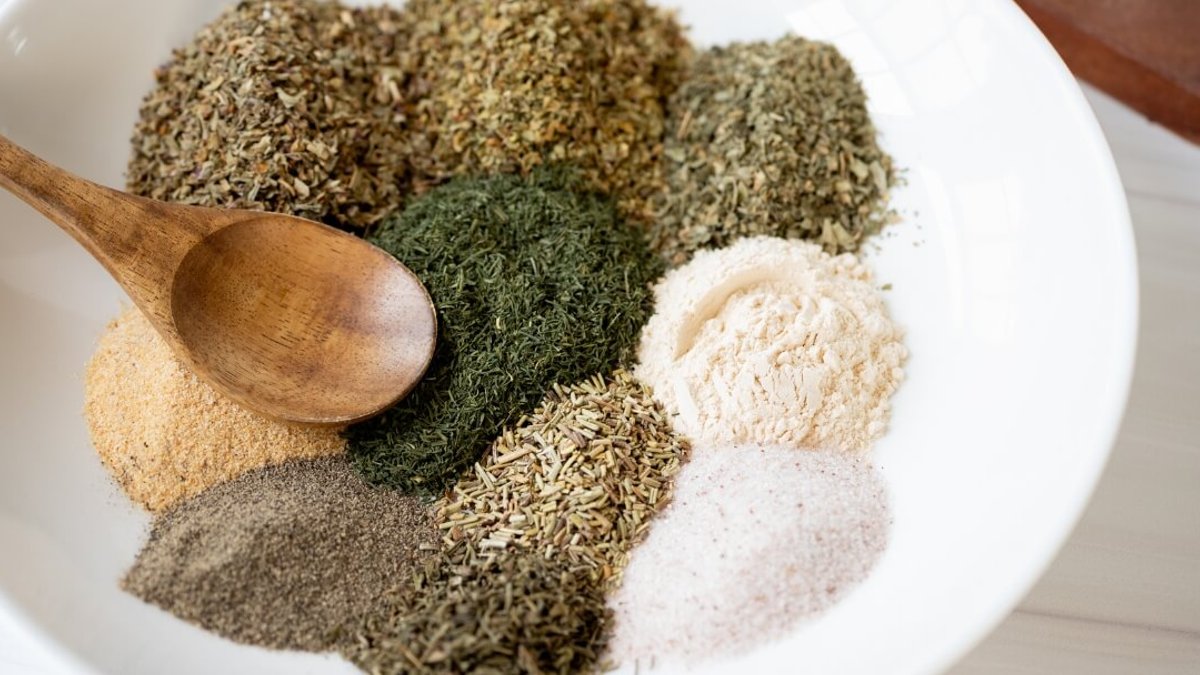
Keeping a jar of homemade Greek seasoning on hand can turn a bland dinner into something that feels a bit more Mediterranean without much extra work. The aroma of dried oregano, rosemary, and thyme released when you open the container instantly transports the kitchen to a sun‑lit courtyard, making even the simplest meals feel more inviting. Because the blend contains no fillers, preservatives, or added sugars, the flavor remains pure and the scent more vivid. The mix is created by adding all ingredients to a small bowl or jar and shaking until evenly combined, a process that takes only a few minutes.
What sets a DIY mix apart
Pre‑packaged varieties often contain fillers, preservatives or added sugars that many home cooks avoid. By measuring each component yourself, you decide exactly what ends up in the container, allowing you to tailor the flavor balance to your own palate and dietary preferences. The absence of shelf‑stable additives also means the homemade version usually tastes fresher than a blend that has sat on a store shelf for months.
The blend draws on classic Mediterranean herbs: oregano provides a pungent note, while basil, parsley, dill, thyme and rosemary cover the rest of the flavor spectrum. Garlic and onion powders give a savory base, and a pinch of cinnamon adds a subtle warmth. After the first stir, the scent of these dried leaves mingles, creating a layered bouquet that hints at distant coastlines. Basil contributes a sweet‑peppery brightness, parsley a clean, grassy lift, dill a light anise‑like zing, thyme an earthy depth, and rosemary a piney, resinous finish that together frame the blend’s complexity.
Beyond taste, the herbs contribute micronutrients, antioxidants and compounds with antimicrobial properties that have been valued for centuries. Researchers have noted that these plant elements can support immune function, and their aromatic oils often act as natural preservatives in culinary applications. The combination also delivers small amounts of potassium, fiber, sugar, protein, vitamin A, vitamin C and calcium, each reflecting the trace contributions of the individual herbs.
Why making your own matters
For a household with seven children, buying bulk herbs and mixing them together proved cheaper than purchasing individual packets. The process takes only a few minutes and the result lasts for months, offering a cost‑effective solution that stretches family budgets while still delivering restaurant‑quality flavor. Buying in bulk reduces the per‑serving price dramatically, and the simple stir‑or‑shake step turns a pantry staple into a long‑lasting resource.
Having the mix ready means a plain chicken breast, roasted vegetables or even a simple salad can be upgraded instantly. Adjustments are easy—more garlic for a stronger bite or extra oregano for a sharper herb profile, and the flexibility encourages experimentation without fear of waste. Because the proportions are under your control, you can fine‑tune the blend to match personal preferences or dietary needs without discarding unused portions.
Everyday applications
Sprinkle the mix over chicken before grilling, fold it into burger patties, or toss it with zucchini, squash or asparagus before roasting. One favorite method involves coating diced potatoes with olive oil, salt and the blend, then roasting until crisp, producing a golden exterior that crackles with herbal fragrance. The seasoning’s versatility shines in both quick weeknight meals and more involved recipes, letting you raise a simple side or a centerpiece with the same jar.
It also works in sauces: stir it into a homemade dressing, sprinkle over eggs, or blend with Greek yogurt for a quick dip. For meal prep, combine the mixture with olive oil and fresh lemon juice to marinate chicken, yielding a tender result with bright Mediterranean notes that hold up well through reheating. Allowing the herbs to infuse the oil for a short period before cooking maximizes the aromatic impact and creates a cohesive flavor profile.
It saves time and reduces waste.
Having a ready‑made herb blend simplifies planning, especially when feeding a large family. Instead of hunting for individual spices each night, a single shake of the jar can provide consistent flavor across multiple dishes, reducing both prep time and decision fatigue while keeping the dining experience enjoyable for everyone at the table. Fewer individual packages also mean less packaging waste, aligning the practice with a more sustainable kitchen routine.
Storage and nutrition snapshot
Store the mix in an airtight container; it remains stable for up to 6 months. A single teaspoon supplies negligible calories but includes 167 mg sodium, 0.04 g fat and a modest amount of iron, making it a low‑impact way to add depth without significantly altering nutritional profiles. The sealed container protects the essential oils in the herbs, preserving their potency and preventing moisture loss that could degrade flavor.
- Fat 0.04 g (0 % DV)
- Sodium 167 mg (7 % DV)
- Carbohydrates 1 g (0 % DV)
- Iron 1 mg (6 % DV)
- Potassium 23 mg (1 % DV)
- Fiber 0.4 g (2 % DV)
- Sugar 0.04 g (0 % DV)
- Protein 0.2 g (0 % DV)
- Vitamin A 18 IU (0 % DV)
- Vitamin C 0.3 mg (0 % DV)
- Calcium 17 mg (2 % DV)
These figures come from the standard serving size noted on the recipe sheet, confirming that the seasoning contributes only a trace of macronutrients while delivering a rich mix of flavors.

Easy Broccoli Cheddar Egg Bake Boosts Protein


