Lawmakers may curb presidential tariff power
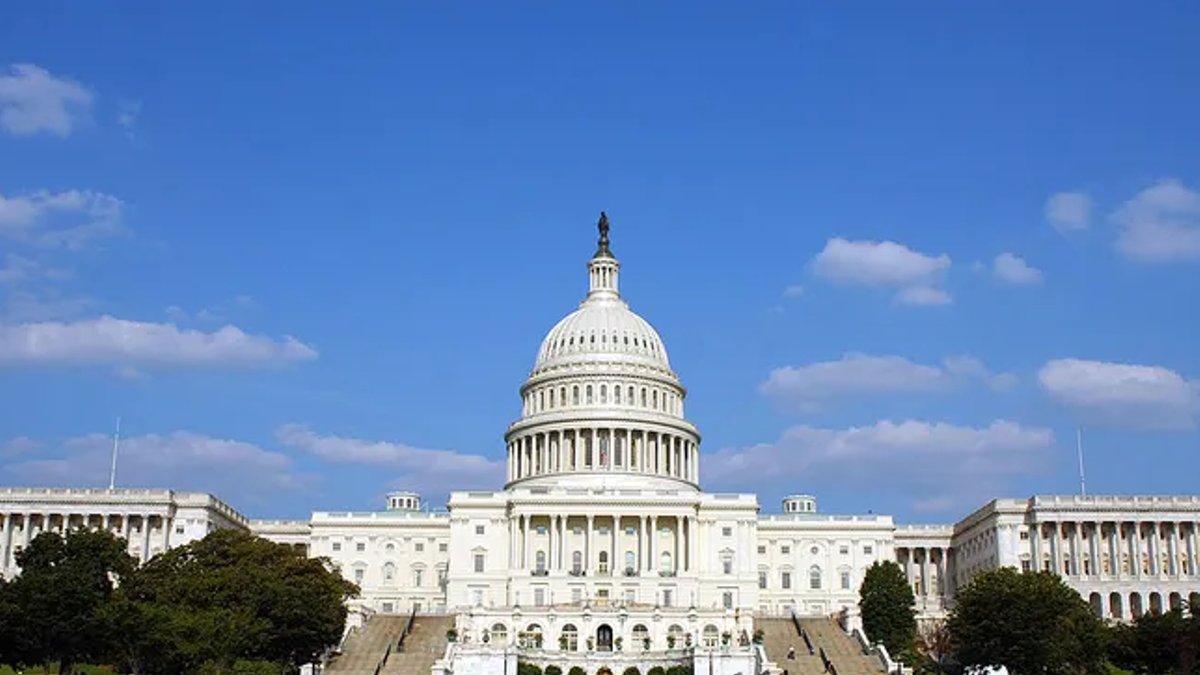
Democrats might take control of Congress next year. They may challenge President Donald Trump’s tariffs. Trade lawyers warn businesses to watch if lawmakers can build bipartisan support. This could let Congress play a bigger role in controlling tariffs.
The current legal framework gives Trump broad authority under Sections 232, 301, and 338. He has used this power to impose tariffs on imports. These include goods from Canada and Mexico.
Tariff Bills in Congress
There are three bills in Congress that could significantly restrict presidential tariff power, including two bipartisan-backed bills, according to Mark Ludwikowski, chair of Clark Hill’s International Trade Practice.
Three key bills are involved: S. 5390, the End Trump’s Tariff Tax Act, would repeal Section 338. It would also end tariffs on Canadian goods. S. 1272, the bipartisan Trade Review Act of 2025, aims to strengthen congressional oversight of tariffs. H.R. 7557, the Respect NATO Allies Act, requires Congress to approve new trade restrictions on NATO allies’ imports.
Ludwikowski says that these bills could be used as leverage to force the administration to be more flexible on tariffs, and that businesses should watch their progress closely.
Read Also: Olympus Accelerates Quality Fixes After FDA Block
Possible Effects on Tariff Policy
Jonathan Todd leads the transportation and logistics practice at Benesch. He says enough Republican-district businesses have complained about tariff-driven prices. These complaints may push lawmakers toward bipartisanship. Todd believes there could be more bipartisan support for tariff policy changes than many realize.
Todd also notes that many sectors and the public are unhappy with the current state and trajectory of trade policy, which could lead to changes as the new Congress comes to power.
Blake Harden is managing director at EY’s Washington Council practice. A Democrat-controlled Congress might take a more active role in tariff oversight. They could do this through hearings and the appropriations process. This could pressure the administration to provide more details or change its approach.
Preparing for Potential Tariff Changes
Todd advises businesses to track tariffs within landed costs. They should stay alert to compliance requirements. Companies might also consider tariff-free U.S. finishing or light manufacturing. Mapping supply chains can help identify origins and tariff-affected inputs.
The tariff debate raises questions about past trade policy disputes. Bipartisan support has shaped outcomes in the past. The current political climate may influence future tariff policies. This situation is worth comparing to historical trade conflicts.


