Poor hospital communication endangers patients
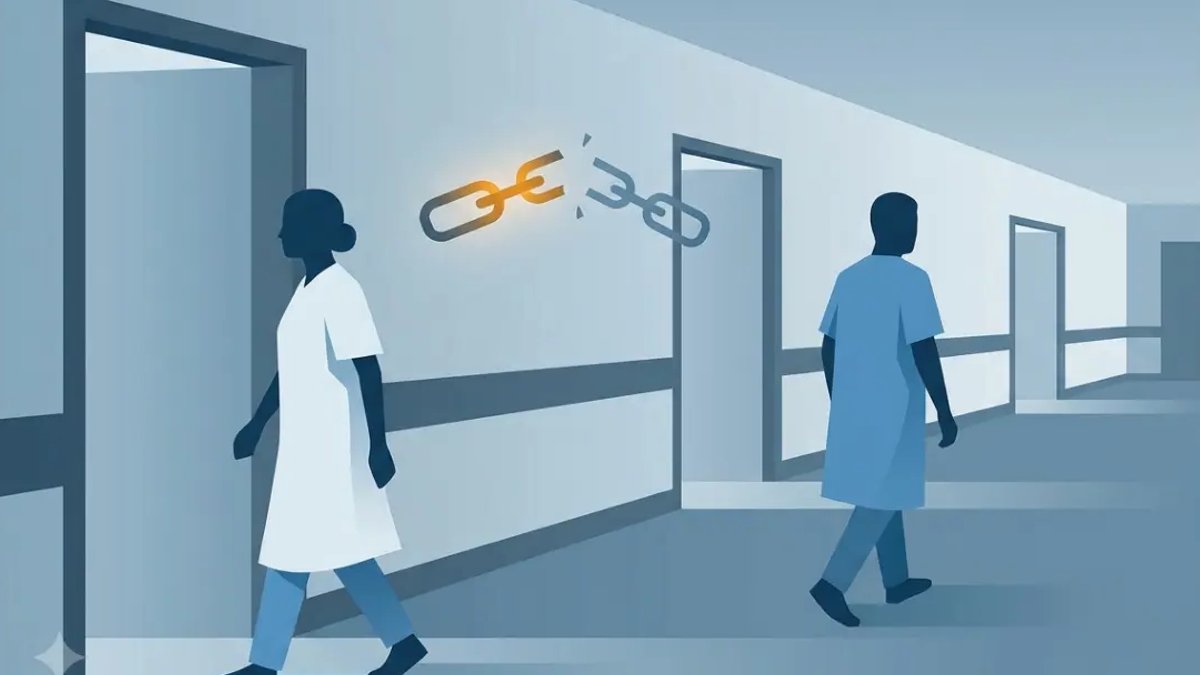
Poor internal communication in healthcare causes most preventable patient harm. It contributes to over 60% of hospital-based adverse events in the U.S. and at least a quarter of all patient safety incidents globally. These failures reflect systemic gaps present in every healthcare system examined.
The Numbers Behind the Risk
A 2024 systematic review from the University of Leicester analyzed 46 studies involving 67,639 patients across Europe, North and South America, Asia, and Australia. The results showed communication failures were often the direct cause of harm, not just a contributing factor. In the U.K., medication errors tied to these breakdowns kill more than 1,700 people each year. Worldwide, at least 3 million deaths result from patient safety incidents, with half considered preventable.
The most vulnerable moment occurs during handoffs. Two-thirds of communication-related medical errors happen when shifts or departments change, allowing critical details to be lost. The problem stems from missing structured processes rather than a lack of clinical skill.
Reporting gaps suggest the issue is worse than data shows. Patient safety incidents are underreported globally, meaning published figures represent a minimum, not the full extent.
Where Communication Breaks Down
Small omissions can escalate quickly. A nurse unaware of a medication change might give the wrong dose. A physician using outdated information could delay treatment. These errors rarely come from negligence but from fragmented systems that fail to share information clearly.
Related: Low Impact Sports Build Endurance Without Joint Pain
High-pressure environments like emergency departments or intensive care units increase the risk. Teams must process information from multiple sources while coordinating complex care. A single miscommunication can disrupt workflows, leading to missed warning signs or unnecessary procedures. The integration of prehospital communication plays a role in this process by ensuring that critical information is relayed effectively.
The issue goes beyond efficiency. When communication tools add to documentation burdens, they create safety risks instead of preventing them.
Culture and Technology: Double-Edged Swords
Organizational culture shapes how information flows. In settings where staff hesitate to speak up or question decisions, critical details remain unshared. Hierarchical structures or fear of conflict can create silence, allowing problems to go unaddressed until harm occurs.
Leadership influences these patterns. Teams that encourage transparency and collaboration are more likely to catch errors early. Structured tools like standardized handoff protocols and checklists help, but their effectiveness depends on the culture supporting them. Training programs that build communication skills can reduce misunderstandings, though they require ongoing reinforcement to remain effective.
Technology presents both opportunities and challenges. EHRs, messaging platforms, and telehealth systems can improve coordination, but poorly designed systems create obstacles. Important information gets buried in lengthy records, or alerts may be overlooked. For technology to work, it must fit clinical workflows rather than complicate them.
Related: DRC Ebola cases top 2000 as response lags
Most healthcare organizations have communication protocols, but few have systems that adapt to staff turnover or scale across departments. A protocol that works in one unit may fail in another due to inconsistent terminology, different EHR setups, or varying departmental cultures. The safest organizations don’t just train staff—they integrate communication into daily workflows.
Building Systems That Last
Durable communication infrastructure requires more than training. It needs data-driven tracking, regular audits, and system-wide standardization. Organizations that monitor communication-related adverse events, near-misses, and protocol compliance can identify problems before they cause harm.
The process begins with a baseline audit to map current handoff points and communication channels. From there, protocols like I-PASS for complex handoffs or TeamSTEPPS for teamwork are selected and embedded into scheduling, EHR templates, and shift logistics. Compliance is tracked monthly, with assigned teams reviewing data and acting on it. A formal review every 12 months—or after major staff changes or system updates—helps prevent degradation before it becomes critical.
The goal isn’t perfection. It’s resilience. Communication quality declines gradually, and without regular checks, even the best protocols can fade. The organizations that succeed treat communication as a system, not just a training exercise.
Preventing harm from poor communication is possible. It requires healthcare leaders to prioritize clarity, structure, and accountability at every level. Proper long-term care for patients also depends on these systems working effectively.

Dental Implants Costs Risks and Long Term Care


