Low Impact Sports Build Endurance Without Joint Pain
Building endurance without destroying joints is a difficult balance for many athletes. Low-impact sports offer a solution for those who want cardiovascular fitness without the repetitive pounding that ruins knees, hips, and ankles. These alternatives allow individuals to build genuine aerobic capacity while sparing connective tissue, whether they are recovering from injury or simply tired of feeling wrecked after running.
Related: Cosmetic Dentists Offer Many Health Benefits
Swimming stands out for its full engagement. The water handles almost your entire body weight, so buoyancy handles the heavy lifting regarding impact stress. Muscles push against water resistance constantly. Upper body, core, legs, and the cardiovascular system all fire at once. This repetitive stroke pattern trains aerobic capacity over long durations, and intensity is easy to adjust by changing strokes or pace. Many swimmers notice real gains in lung capacity and heart health within months of consistent work.
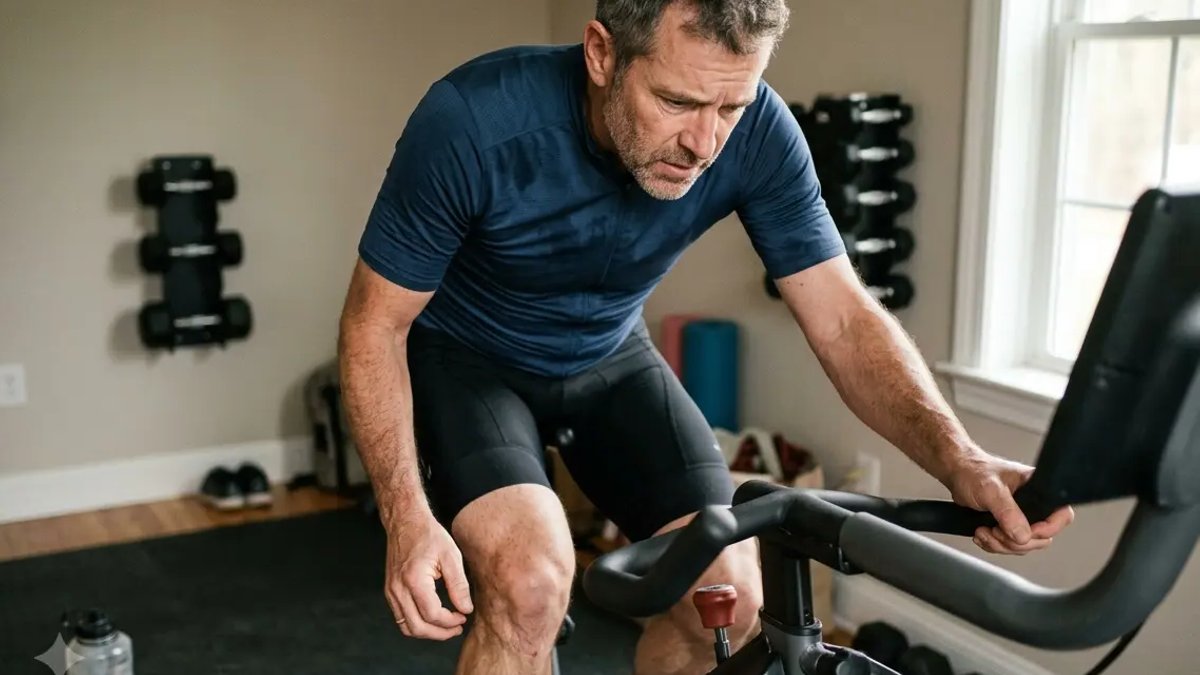
Cycling delivers serious endurance gains with joint impact that is basically negligible. Your weight sits on the saddle while legs move in smooth circles. Nothing absorbs shock through the knees the way running does. Sustained moderate-intensity riding provides the precise stimulus that builds lasting aerobic capacity. Resistance is adjustable on most setups, allowing progressive challenge as fitness climbs. Outdoor riding adds terrain variability, while indoor riding offers control.
Related: User access denied after restriction
The Hidden Risks of Gentle Exercise
The “low-impact” label does not guarantee safety. Poor mechanics can still lead to significant overuse injuries that develop silently over weeks. A study in the European Journal of Sport Science found that a bicycle saddle set too low increases knee compressive load. Patellofemoral Pain Syndrome accounts for roughly 25% of all overuse injuries in cyclists. The fix is usually a proper bike fit rather than fewer miles.
Swimmers face similar dangers. According to a systematic review available via NIH data, shoulder injury rates in competitive swimmers range from 40% to 91%. The supraspinatus tendon is the primary casualty. Elite swimmers training more than 35 km per week are significantly more likely to develop tendinopathy. The damage accumulates without the soreness signal that usually warns athletes to back off.
Related: User Account Blocked by Social Media Platform
The real trap with these activities is the false sense of safety regarding training volume. Because the immediate soreness is lower than high-impact sports, athletes often add too much time too quickly. Connective tissue damage accumulates silently without the usual pain signals that force a rest day, leading to overuse injuries that seem to appear suddenly despite the “safe” nature of the activity.

Cosmetic Dentists Offer Many Health Benefits


