Cancer drains livelihoods in India
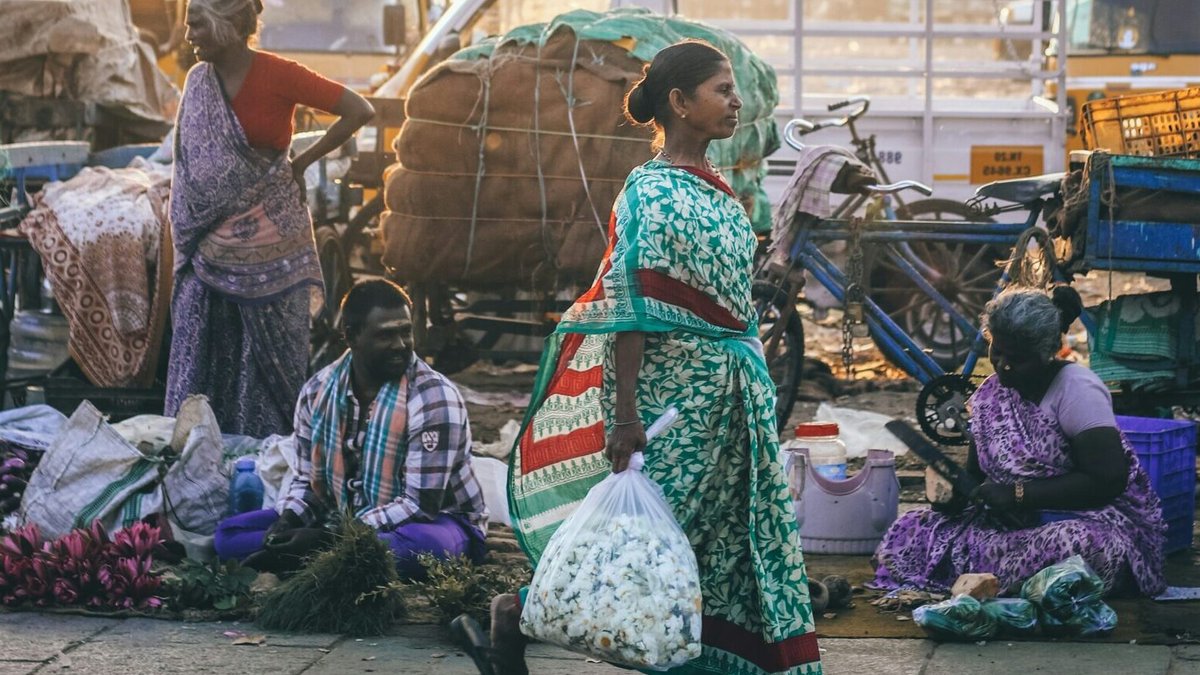
India’s cancer survival rates are improving, yet the disease often leaves patients unemployed and unable to afford treatment that once saved their lives.
The financial burden of survival
Deeba Fariyal, a 27-year-old lawyer in Delhi, received a diagnosis of synovial sarcoma six years ago. The rare soft-tissue cancer has returned six times. Each dose of targeted therapy costs over $120, while private hospital treatment ranges from $20,000 to $30,000. Government hospitals, she notes, have waiting lists so long that a Stage 1 diagnosis can progress to Stage IV before an appointment becomes available.
“If you want timely treatment in India, you need a job,” Fariyal said. “That’s nearly impossible for many people with cancer to maintain.”
A 2009 study in JAMA revealed that 33.8% of cancer survivors were unemployed, compared with 15.2% of those without a history of the disease. Experts say the financial strain has worsened since then, driven by rising treatment costs and persistent gaps in access to affordable care.
Related: Vital Signs: Global Health Developments
India reports more than one million new cancer cases annually. The latest available estimates suggest the country had around 2.1 million cancer survivors in 2017-18. Worldwide, about 32 million people live after a cancer diagnosis. As survival rates climb, oncologists and patient advocates say returning to work has become an increasingly overlooked challenge.
Workplaces that push survivors out
Richa Rana, 36, learned she had breast cancer in 2022 while employed in the private sector. Her employer placed her on nearly six months of unpaid leave. When she returned, healthy and prepared to resume her duties, the cancer recurred, and the company granted her another unpaid leave. Once cleared to work again, HR informed her the company wanted to end her employment.
“They admitted they had no issue with my performance,” Rana said. “I lost my job because I had taken those two medical leaves—even though they were unpaid.”
Securing another position proved just as challenging. Rana passed multiple interviews but was rejected each time after disclosing her medical history. She eventually found work—but only by concealing her diagnosis until she had demonstrated her abilities.
Fariyal has encountered similar bias. Employers praise her legal research background and teaching experience, yet once she explains the gap in her résumé, opportunities vanish.
Related: Tips for Caring for facial skin
Weak protections in a precarious labor market
Nearly 94% of India’s workforce operates in the informal sector, where employees lack social protections, paid medical leave, or health insurance. Even in formal jobs, benefits often fail to cover the extended costs of cancer care.
The next hurdle, experts say, is ensuring survivors can return to work without facing bias, financial collapse, or termination. For now, many conceal their medical history, beg for accommodations, or abandon employment entirely.
Fariyal, who previously taught law entrance exam students, now spends her days applying for positions she knows she won’t secure. “I’m repeatedly told that despite my qualifications, they can’t hire me because of my health,” she said. “The biggest struggle isn’t the illness. It’s the expense—and the fact that no one will let you earn the money to cover it.”
For those facing similar challenges, understanding how to reduce costs in legal proceedings may offer some relief during financial strain.

Vital Signs: Global Health Developments


