Cardiology Advances: TAVR, Renal Denervation
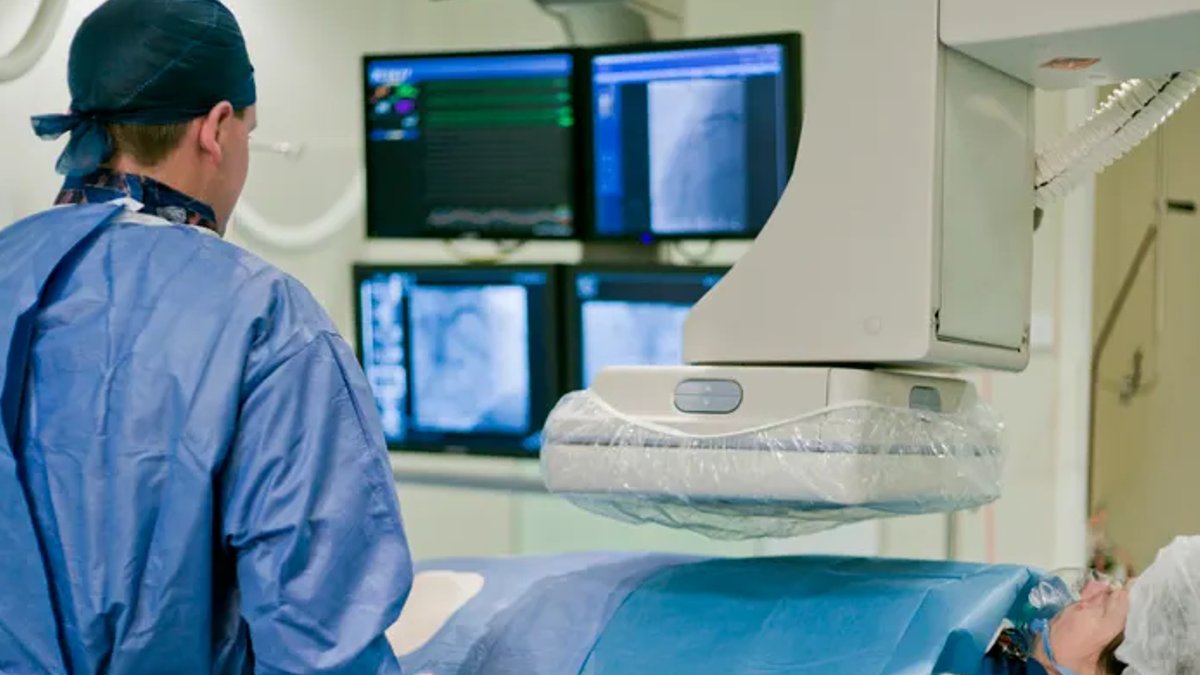
The Transcatheter Cardiovascular Therapeutics conference in San Diego, the Cardiovascular Research Foundation’s annual scientific symposium, highlighted key advancements in cardiovascular treatments. Among the standout findings were studies on Edwards Lifesciences’ transcatheter aortic valve replacement, Medtronic’s renal denervation system, and Abbott’s left atrial appendage closure device. These studies received significant attention for their potential to reshape treatment strategies in cardiology.
Edwards’ TAVR Shows Promise in Moderate Disease
Edwards Lifesciences’ transcatheter aortic valve replacement (TAVR) device demonstrated significant benefits for patients with moderate aortic stenosis and at-risk features. The PROGRESS study, published in The New England Journal of Medicine, followed 744 patients with an average age of 78 years. The study’s results received a “very strong round of applause” from physicians, according to J.P. Morgan analysts, showing the clinical community’s enthusiasm for the findings.
Read Also: Doctors, AI makers and hospitals share liability risks in new
Results showed TAVR was superior to clinical surveillance in reducing death or heart failure events at two years, with an estimated endpoint event in 16.7% of TAVR patients compared to 23.9% in the surveillance group. The TAVR group also saw no mortality or disabling stroke within 30 days. While the TAVR group had slightly higher all-cause mortality (8.4% vs. 7.3% in the surveillance group), analysts believe physicians will focus on the overall positive outcomes. Dan Lippis, Edwards’ corporate vice president of TAVR, described the data as providing “unequivocal validation” of TAVR’s benefit for moderate AS patients, emphasizing its potential to become a standard treatment option.
Medtronic’s Renal Denervation Expands Patient Reach
Medtronic’s Symplicity Spyral renal denervation catheter demonstrated statistically significant blood pressure reductions in a post-approval study involving 594 U.S. patients. The SPYRAL AFFIRM study included a diverse population, with 45% women, 27% Black, 11% Hispanic, and 19% Type 2 diabetes patients. This diversity shows the device’s applicability across a broad spectrum of patients with uncontrolled hypertension.
The FDA approved a label update for the procedure in late 2023, incorporating additional clinical data to guide treatment decisions. This approval marks a significant milestone for Medtronic, as it expands the use of renal denervation to a wider patient population, including those with challenging-to-treat hypertension.
Read Also: Medtech leaders warn of cyber risks
Abbott’s Amulet 360 Advances LAA Closure
Abbott’s Amulet 360 left atrial appendage occluder showed safety and efficacy one year after implant in the VERITAS study. Published in JACC: Cardiovascular Interventions, the study reported complete closure of the left atrial appendage in 96.3% of patients. The device’s redesigned features, including an outer disc for a second sealing layer, allow it to adapt to a wider range of anatomies. BTIG analysts said the new version of Amulet will allow Abbott to better compete with Boston Scientific’s market-leading Watchman LAA closure device.
The study also noted ischemic stroke or systemic embolism in 1.8% of patients, all-cause mortality of 3.9%, and major bleeding in 6.6%. Dr. DJ Lakkireddy, executive medical director of the Kansas City Heart Rhythm Institute, described the results as “highly encouraging” for advancing stroke risk reduction strategies. He emphasized that the findings reinforce the potential of Amulet 360 to provide physicians with an effective treatment option for patients with atrial fibrillation who cannot tolerate long-term blood thinners. The device received Europe’s CE mark in August and is currently under FDA review, positioning Abbott to strengthen its presence in the LAA closure market.

Doctors, AI makers and hospitals share liability risks in new


