Prioritizing Health After a Demanding Career
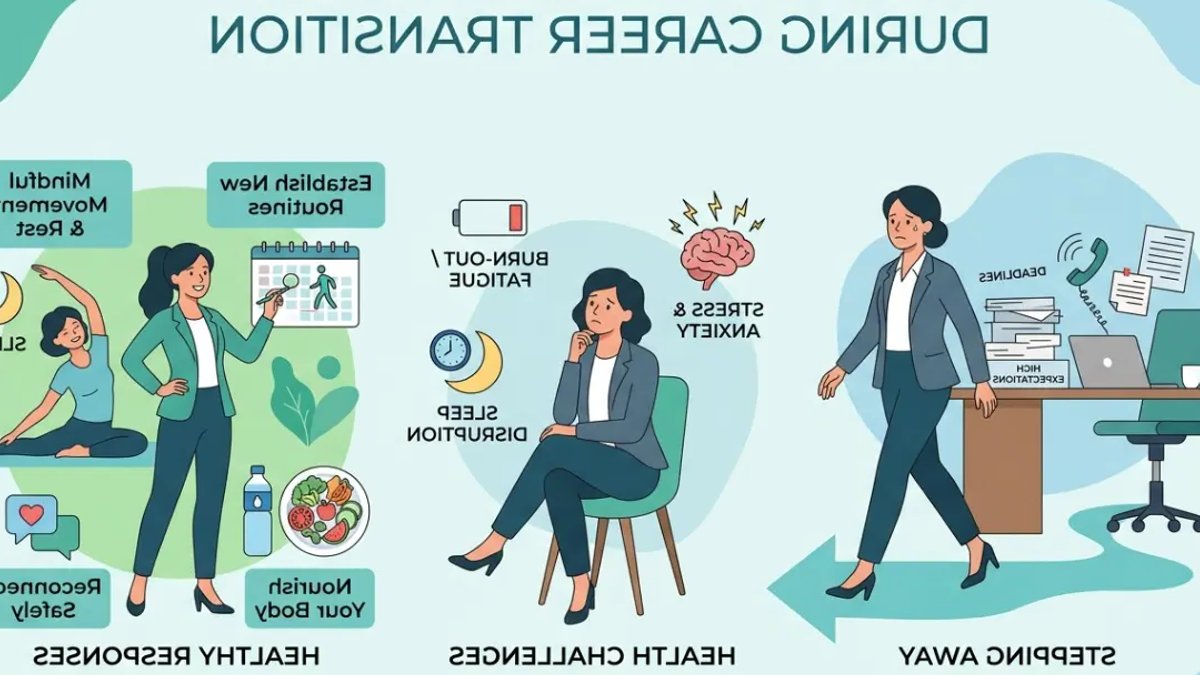
Stepping away from a demanding career can feel both exciting and overwhelming. After years of deadlines, high expectations, and non-stop pressure, a slower pace sounds like relief. But the transition also brings real health challenges, ones most people don’t see coming until they’re already in them. Prioritizing your health during this phase isn’t just about eating better or joining a gym. It requires understanding what your body and mind are actually going through, and responding with intention, not just good intentions.
Your Body Stays Stressed After You Leave
Your stress hormones don’t clock out when you do. After years of chronic pressure, the body’s cortisol system stays dysregulated for months, sometimes longer. This isn’t a psychological weakness. It’s a measurable physiological state, and ignoring it can quietly undermine every healthy habit you’re trying to build.
According to the Mayo Clinic, long-term activation of the body’s stress-response system can disrupt almost all of the body’s processes, raising the risk of digestive problems, sleep disorders, heart disease, and depression. These effects don’t reverse overnight just because the stressor is gone. There’s also a structural issue. Research shows cortisol follows a diurnal pattern, high in the morning, gradually declining across the day. When demanding careers flatten that curve—raised evening levels, blunted morning rise—research links the disruption to poorer mental and physical health. And that flattened pattern persists well after leaving.
Related: Hospitals adopt cleaner air measures
Here’s where most people go wrong: they immediately launch an intense exercise program. But exercise physiologists warn that without proper recovery, intense exercise can increase cortisol further, producing symptoms of physical stress even when you’re not working out. The smarter move is low-intensity, restorative activity first, which works with your natural circadian rhythms to reduce resting cortisol and improve sleep quality.
The first six months require a specific approach to activity. Walking, yoga, and stretching should come first to recalibrate the nervous system. Once that stabilizes, light strength training and swimming help rebuild a baseline fitness level. Only after that foundation is set should an individual progress to high-intensity interval training or structured competitive sports.
Managing Unstructured Time
Surprisingly, completely unstructured days don’t automatically lead to rest and renewal. For many people, the sudden absence of external demands triggers a specific pattern of sedentary behavior, social withdrawal, and low-grade anxiety that researchers have linked to depression, even in people who looked forward to stepping back. A study on retirement sedentary behavior found that involuntary sedentary time, sitting because there’s nothing to do, was consistently linked to poorer health. Voluntary sedentary time—chosen rest, reading, or relaxation—was not. The difference isn’t the sitting. It’s the meaning behind it.
A systematic meta-analysis of 19 studies found a mixed relationship between retirement and life satisfaction, not the universal improvement most people expect. Outcome depends heavily on how much identity, purpose, and social connection a person has tied to their work. The fix isn’t filling every hour. It’s filling hours intentionally. Scheduled commitments with other people, what researchers call “obligated leisure,” consistently outperform pure open time for wellbeing outcomes.
Related: WhatsApp Nutrition Coaching Reveals Unexpected Hidden Expenses
Without a fixed schedule, days can feel shapeless. That shapelessness isn’t just uncomfortable, it’s a genuine health risk. A balanced routine doesn’t need to be rigid. But it does need a rhythm. A healthy daily structure should include time for movement, meals, social connection, and something that produces a sense of accomplishment. Even simple anchors, such as a morning walk, a consistent meal time, and a regular sleep schedule, have measurable positive effects. The key is replacing the achievement once tied to your career with something else that produces it. Hobbies, creative pursuits, learning new skills, or community involvement all serve this function.
For high-achievers, career identity isn’t just what you do, it’s who you are. When that role ends, the identity disruption produces measurable health consequences: disrupted sleep, raised inflammation, and depression symptoms that standard wellness advice doesn’t address. Rebuilding identity, not just daily routine, is what actually drives recovery. Research on major career transitions identifies three core components of healthy adjustment: identity rebuilding, social interaction, and independence, all anchored by meaningful activity engagement. Skip any one of these, and the others lose their footing. The timeline matters too. Studies on elite athletes, whose identity loss closely mirrors that of high-achieving professionals, found that identity showed its steepest decline at three months post-retirement. Mental health symptoms follow a U-shaped curve: peaking at three months, then improving. Knowing this helps people stop interpreting normal transition pain as permanent decline.
The transition is often hardest for those whose entire identity was wrapped up in their work. When that role disappears, the loss can trigger a cascade of health issues including disrupted sleep and depression. The most resilient individuals are those who have already built a portfolio of identities outside of their jobs—people with hobbies, social groups, and community roles. This diversification acts as a buffer during the adjustment period.
Related: Doctors find ways to cut insurance costs
Rebuilding Identity and Purpose
Rebuilding identity requires a deliberate sequence. First, acknowledge what the career gave you, such as status, structure, or community. Grief is valid and necessary. Second, inventory transferable assets like skills, relationships, and values. Third, explore provisional identities by trying new activities or communities without committing to a specific role immediately. Fourth, build social breadth by diversifying connections across family, community, and interest groups rather than relying on a single relationship type. Finally, anchor to contribution through volunteering, mentoring, or advising to provide the same neurological reward as professional achievement.
Many people assume that simply “keeping busy” is the key to happiness after leaving a high-pressure job. However, activity volume does not predict well-being. Meaningful activity does. Frantic busyness without purpose is itself a cortisol driver. A large study using Health and Retirement Study data found that involuntary retirees, both men and women, experienced poorer mental health than those who chose to leave. The circumstances of your exit matter as much as the exit itself.
Nutrition and medical care also play a role. A slower-paced life gives you real time to cook, eat deliberately, and reduce reliance on processed convenience foods. Staying hydrated and eating balanced meals supports both energy and mood more than most people expect. Don’t delay routine medical checkups. Monitoring conditions, staying current on screenings, and addressing concerns early can prevent complications that are far harder to manage later.

Hospitals adopt cleaner air measures


