Five Easy Recipes for a Natural Detox Bath
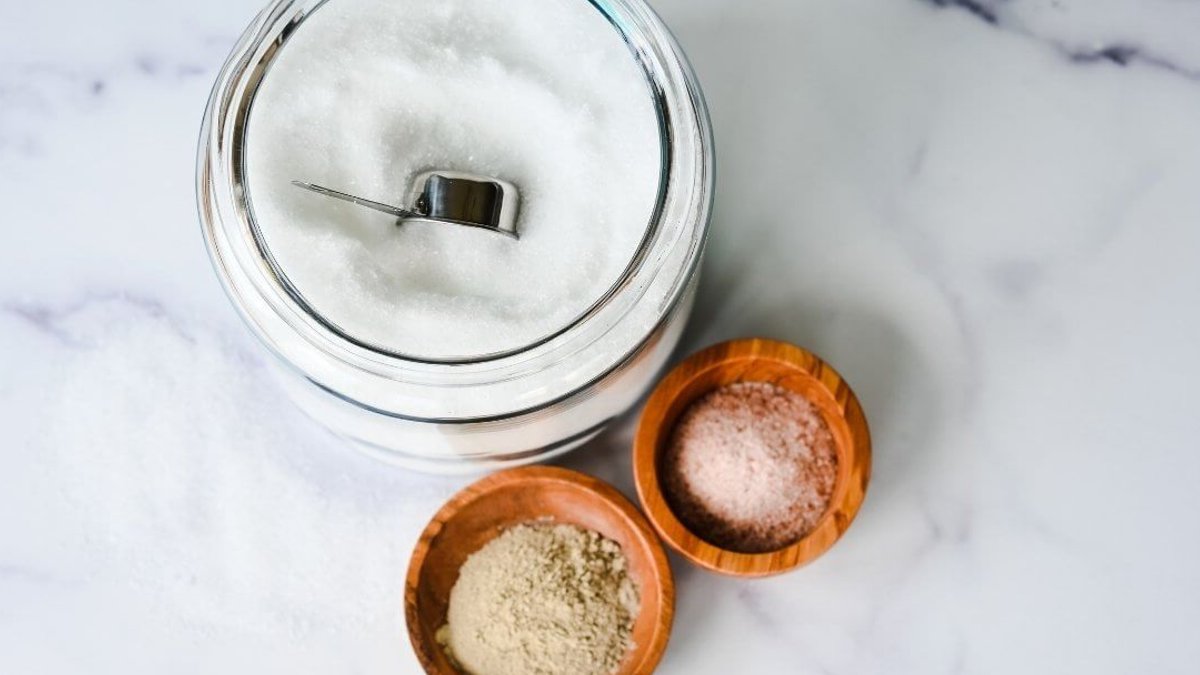
A warm bath is one of the simplest ways to unwind, and adding a few natural ingredients can turn it into a tool for supporting the body’s own detox processes. These recipes rely on common pantry staples like Epsom salt, baking soda, apple cider vinegar, and bentonite clay. The idea isn’t to replace the body’s built-in systems—the liver and kidneys handle that work daily—but to give them a little extra support when modern life leaves you feeling run down.
Most of these baths take less than five minutes to prepare. Some, like the basic Epsom salt soak, are gentle enough for a nightly routine. Others, like the clay or mustard versions, are better reserved for times when you want a deeper effect. If you’re pregnant, nursing, or managing a health condition, it’s smart to check with a healthcare professional before trying any of them.
The Basic Epsom Salt Detox Bath
This is the foundation recipe. It combines Epsom salt, sea salt, baking soda, and apple cider vinegar in a warm bath. Epsom salt is included mainly for its magnesium content, which can be absorbed through the skin. The other ingredients help soothe irritation and balance the skin’s natural pH.
Related: College Worth It? New Questions for Students
To make it, bring 2 cups of water to a boil. Add ¼ cup sea salt, ¼ cup Epsom salt, and ¼ cup baking soda to a quart-size Mason jar. Slowly pour the hot water into the jar—the mixture will foam, so pour gradually and don’t hold the jar in your bare hands. Fill the tub with warm water, add ⅓ cup apple cider vinegar, then pour in the salt mixture. Ten drops of lavender essential oil are optional but nice.
Soak for 30 minutes or as long as comfortable. One thing to know: detox baths can leave you feeling tired or lightheaded afterward. It’s not a great idea to do this while home alone or right before heading out the door.
Bentonite Clay Bath for Heavy Metal Support
Bentonite clay is a different kind of ingredient. It’s known for its ability to bind to heavy metals and other impurities, which is why it shows up in face masks and toothpaste recipes. In a bath, it works similarly—drawing things out through the skin while the Epsom salts do their part.
There are two ways to use it. The first is to vigorously mix the clay into a small amount of water until clumps dissolve, then add it to the tub. Bentonite can react with metal, so use a plastic or wooden spoon. Soak for at least 20 minutes. The second method is to mix the clay with water into a paste, stand in the tub, and rub it over your body like a mask. Let it dry for five minutes before sitting down, then soak and scrub the clay off with a washcloth.
Related: Dental Implants Costs Risks and Long Term Care
A practical note: clay can clog pipes. Use a drain filter or a cloth over the drain when you empty the tub.
Apple Cider Vinegar Bath for Skin and Hair
Vinegar baths are a go-to for sunburn, eczema, dandruff, and dry, itchy skin. The acidity helps rebalance the skin’s pH, which is often thrown off by soaps and hard water. It’s not the most pleasant-smelling option, but it works.
Fill the tub with warm to hot water and add 1 to 2 cups of apple cider vinegar. Soak for 20 to 30 minutes. Use a washcloth to clean your face and try to get your hair wet, too—vinegar water tends to leave hair shiny and soft. Afterward, rinse off in a cool shower, though some people prefer to let the vinegar dry on the skin.
Mustard Powder Bath for Circulation
Mustard powder sounds odd, but it has a long history. Ancient cultures used it in preparations for colds, flus, and sore muscles because it stimulates circulation. The warmth it creates in the water can feel intense, so the hotter the bath, the stronger the effect.
Related: Prioritizing Health After a Demanding Career
The recipe uses organic mustard powder, Epsom salts, and a few drops of essential oil. Mix the powder into the bath as it fills, add the salts, and soak. The combination of magnesium and circulation-boosting spice makes this one of the more potent options on this list.
If your tap water has chlorine or fluoride, adding a few tablespoons of bentonite clay to any of these baths can help absorb those chemicals before they hit your skin. A home bath filter is another option worth considering.
One last thing: avoid essential oils that are harsh on mucous membranes, like mint, cinnamon, oregano, or lemongrass. They can cause a burning sensation. Stick with gentler options like lavender, and always mix oils with salt or powder rather than dropping them directly into the water.

College Worth It? New Questions for Students


