Coping with Mobility Loss at Home
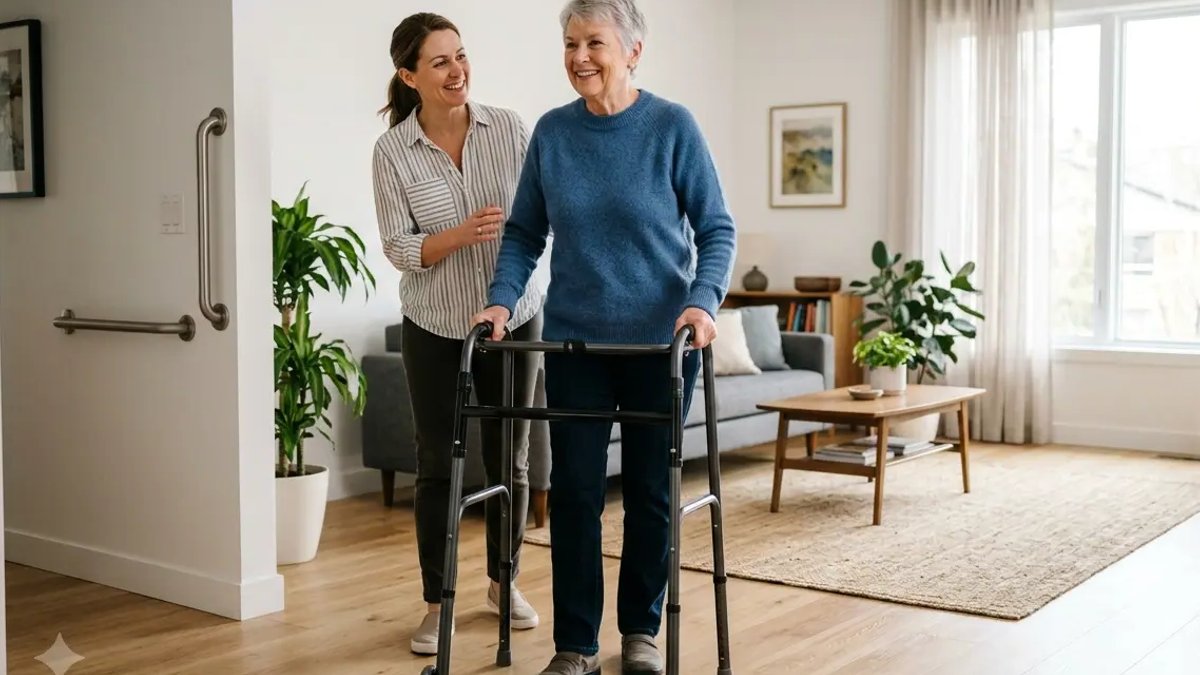
Mobility loss affects not only a person’s ability to move, but also their confidence, independence, relationships, and emotional well-being. Families can make recovery easier by creating a safe home, encouraging independence, and recognizing emotional challenges.
Understanding the Emotional Impact of Mobility Loss
The emotional impact of mobility loss can be just as significant as the physical effects. Grief, frustration, and fear about the future are common responses to losing control over one’s body. It’s essential to acknowledge these feelings and provide compassion, rather than dismissing them as temporary sadness.
Recovery demands more than physical rehabilitation and long-term mobility support. As a supporter, it’s essential to have patience, a willingness to learn, and humility to follow the individual’s lead. The emotional adjustment is woven directly into the recovery process, and understanding this distinction is vital.
No two people respond to mobility loss in the same way. Recovery depends on various factors, including the cause of the condition, expected outcome, personality, previous lifestyle, family support, and emotional resilience. Caregivers should avoid comparing one person’s recovery with another’s and instead provide support that feels encouraging rather than overwhelming.
Creating a Safe Home Environment
One of the most concrete things families can do is fix the space to make it safer and more accessible. This includes clearing out tripping hazards, installing grab bars in the bathroom, and widening pathways to accommodate mobility devices. Good lighting is also essential, as it reduces the risk of falls and anxiety.
Rearranging furniture to shorten unnecessary distances and storing everyday items at reachable heights can also make a significant difference. These small tweaks signal that the caregiver takes the individual’s needs seriously and is invested in their independence.
Related: Africa Clean Air Forum eyes continental pollution shift
Age also influences adjustment, with younger adults struggling with interrupted careers or parenting responsibilities, and older adults worrying about remaining independent in their own homes. The best caregivers ask questions, listen carefully, and adjust their support as circumstances change.
The Importance of Physical and Emotional Recovery
Mobility loss changes much more than a person’s ability to move. It affects confidence, independence, relationships, and emotional well-being. Families can make recovery easier by creating a safe home, encouraging independence, recognizing emotional challenges, adapting support over time, and connecting loved ones with professional resources.
Seeking Professional Support
While family support is vital, it’s also important to recognize its limits. Occupational therapists, support groups, and counselors can provide specialized help and tools for processing grief and building resilience. Home care services and community organizations can also offer valuable resources and assistance.
Caregivers should be aware of the challenges of mobility loss and seek help when needed. Recognizing the importance of adapting support over time can also help families provide more effective support.
Ultimately, helping someone adapt to mobility loss requires a deep understanding of their experience and a willingness to shift your approach as things evolve. By providing stability, creating a safer home environment, and connecting the individual to specialized support, you can help them regain control over their daily life and protect their dignity.
They must also be aware of the importance of healthcare in the recovery process.

User Blocked from Social Media Platform


