Homemade Tinted Lip Sunscreen Gains Popularity
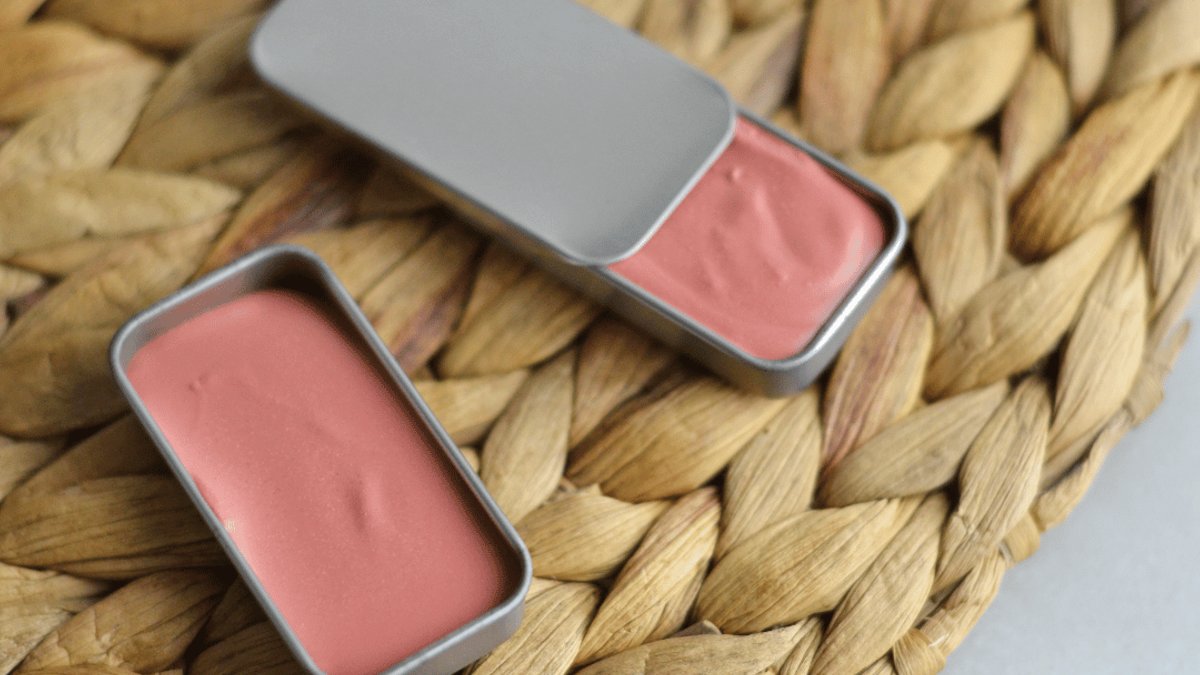
Creating a DIY tinted lip sunscreen involves combining beeswax, shea butter, avocado oil, and zinc oxide to build a protective barrier that reflects ultraviolet rays. The recipe calls for 20% zinc oxide, which the FDA considers one of only two safe and effective UV barriers, providing roughly SPF 10 that blocks about 90% of UV exposure. Natural ingredients like red raspberry seed oil and avocado oil add antioxidants and support collagen, while optional iron oxide or mica provide color.
Many commercial lip balms contain synthetic ingredients like oxybenzone and avobenzone, which some researchers link to coral reef damage. These chemicals absorb into the skin quickly, but the potential toxicity for users and the environment makes them less appealing for a daily product. Homemade versions often skip these problematic additives in favor of non-nano zinc oxide, which sits on top of the skin rather than penetrating it.
Zinc oxide acts as a physical blocker, creating a shield that reflects sunlight away from the lips. This mineral is effective because it does not degrade like chemical filters, though it can leave a white cast on lighter skin tones. To address this, the recipe suggests adding iron oxide for a burgundy tint or mica for sparkle. However, the author notes that lab-created iron oxides are necessary to avoid heavy metal contaminants found in soil-based pigments.
While the primary goal is protection from UV damage, the formulation also focuses on lip health. Avocado oil is included for its high carotenoid content and ability to calm inflammation, while shea butter and beeswax keep the balm smooth and firm. The addition of red raspberry seed oil contributes another layer of antioxidant defense, though the SPF boost from this ingredient is minor compared to the zinc oxide.
DIY formulations often require more patience than commercial products. The mixture must be melted in a double boiler and whisked carefully to prevent the powders from settling. Once poured into containers, the lip balm needs time to cool completely before use. This hands-on process ensures every ingredient is fresh and avoids the synthetic additives found in many drugstore brands.
Users should avoid phototoxic essential oils, such as bergamot, lime, lemon, or grapefruit, as these can increase sun sensitivity. Even with safe ingredients, applying the balm before stepping outside provides the best defense against burns. The tinted version offers a subtle cosmetic effect, but the main function remains the physical barrier against harsh rays.
For those seeking a refreshing way to replenish electrolytes after outdoor activities, a homemade treat like DIY watermelon electrolyte gummies can complement the lip care routine.

DIY Watermelon Electrolyte Gummies


