Strategies to manage back pain and improve mobility
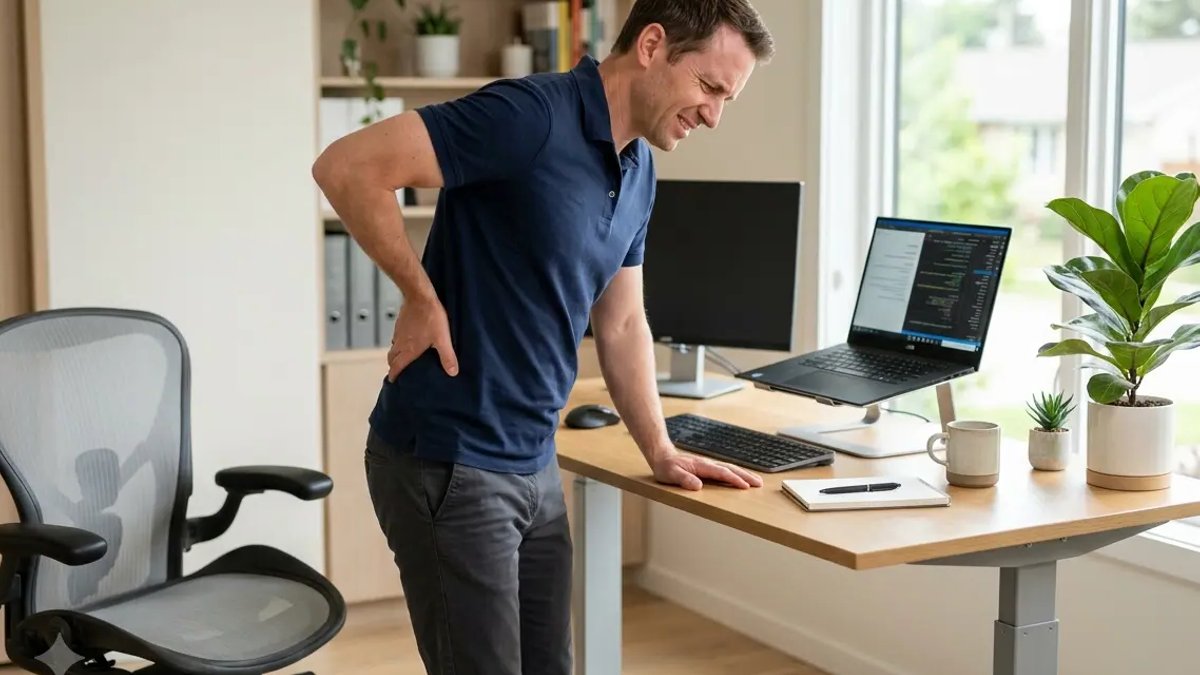
Spine pain is a major global health issue, affecting hundreds of millions of individuals each year. The World Health Organization notes it is the leading cause of disability worldwide. Because the condition rarely has a single cause, the best approach combines several strategies instead of relying on one quick fix.
Identifying the Source of Discomfort
Chasing symptoms without knowing the underlying cause is often an exhausting process. Muscle strain, a deteriorating disc, or an ergonomic failure are not the same problem and do not respond to the same fixes. Notice patterns, such as whether pain eases after moving or becomes worse after sitting.
A healthcare provider can confirm if the issue requires a specialist or is straightforward. For example, pain that feels sore and improves with gentle movement often indicates muscle strain, while sharp, burning pain traveling down the leg may suggest a nerve issue. Understanding these clues helps in developing an effective treatment plan.
Related: Dust and Debris Can Impair Smoke Detector Accuracy
Adjusting Your Environment and Habits
The workspace often dictates spinal health. A monitor positioned too low pulls the head forward, straining the neck and upper back. Feet flat on the floor and knees at ninety degrees create a stable base. Lumbar support is essential; a small pillow behind the lower back can fill the gap.
These changes matter more than most people realize. Screen height, keyboard placement, and chair support redistribute weight onto structures designed to handle it. At home, bending at the knees when lifting and keeping objects close reduces strain on the spine.
The modern sedentary lifestyle creates a constant conflict for the musculoskeletal system. When we remain stationary for hours, the muscles responsible for posture fatigue, forcing the spine to compensate. This compensation creates a feedback loop where inactivity leads to stiffness, and stiffness makes movement painful. Staying active supports recovery better than extended inactivity, highlighting why regular movement is essential for recovery.
Active Recovery and Treatment
Most spine issues improve with consistent movement rather than prolonged rest. Staying active supports recovery better than extended inactivity. Stretching tight hamstrings and hip flexors helps, but context matters. A simple recovery journal can identify triggers between stress, sleep quality, and symptom flare-ups.
Related: Unveiling the Origin of Lab Grown Diamonds: Crafting Brilliance in the UK
Recovery is rarely a straight line. Good days and bad days are normal, and pain intensity does not always reflect the amount of tissue injury. If an exercise causes persistent or worsening pain, it should be discontinued. However, mild discomfort during rehabilitation is common and does not always signal damage.
When to Seek Professional Help
Self-care carries a patient far, but not always far enough. Several weeks of conservative effort with no improvement warrants a doctor’s visit. Serious underlying conditions require ruling out, and specific symptoms warrant immediate attention. Loss of bladder or bowel control, progressive weakness, or fever demands urgent care.
Physical therapists watch how a patient moves and correct what is wrong, building a program around specific body mechanics. Breaking the cycle of chronic pain often requires both physical and mental intervention working in parallel.

Dust and Debris Can Impair Smoke Detector Accuracy


