When constant headaches indicate a serious condition
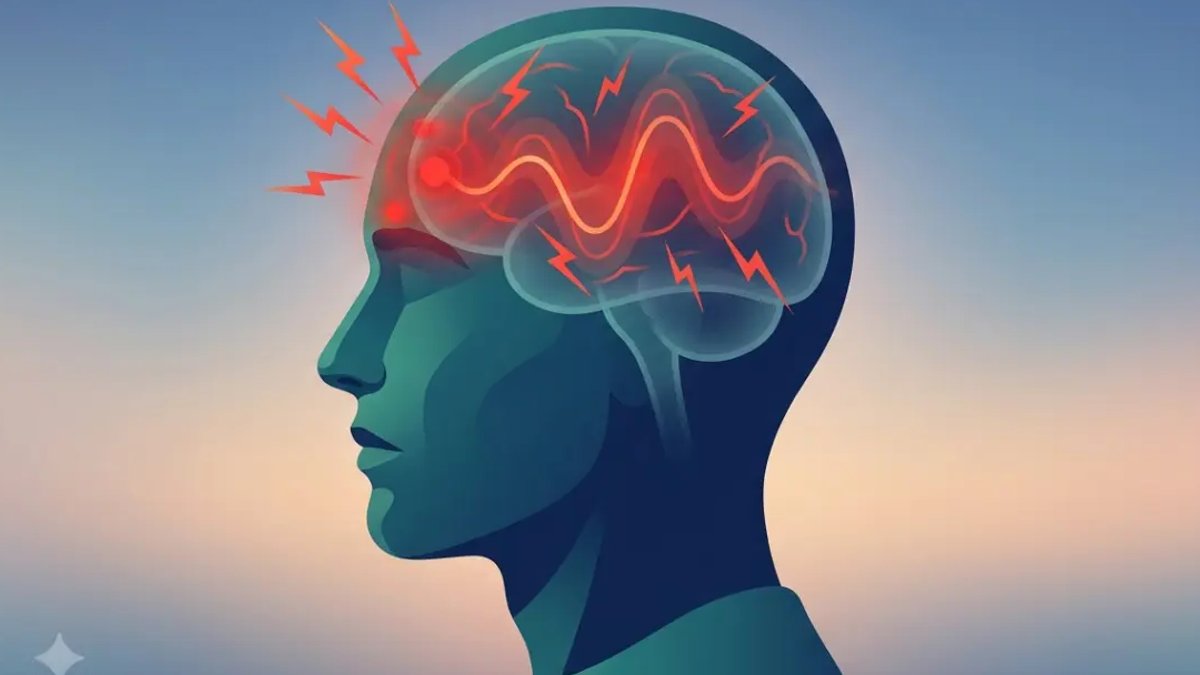
Occasional head pain is a common health complaint across the globe, often fading with rest or hydration. But when the pain simply will not stop, it demands attention. Constant headaches are defined by specific medical timelines and can signal underlying health problems that go far deeper than simple stress or fatigue.
Medical professionals classify a headache as chronic when it occurs on 15 or more days per month for at least three consecutive months. According to clinical definitions from the Mayo Clinic, these are not isolated events but a continuous cycle that alters how the nervous system processes pain signals.
For some, this manifests as a dull, steady ache sitting in the background all day. Others experience severe, crushing waves that make normal physical movement difficult. Chronic tension headaches often feel like a tight band wrapped around the forehead, while chronic migraines bring throbbing pain on one side of the face along with nausea.
Identifying the Root Causes
Doctors often look for secondary causes when head pain becomes daily. Hypertension is a frequent culprit; when blood pressure rises to dangerous levels, it creates constant pressure inside the skull. Research from Harvard Health Publishing indicates that untreated high blood pressure can damage blood vessels and increase stroke risk.
Related: Flood recovery crews tackle worst water damage
Chronic sinus inflammation is another common trigger, creating deep aches behind the eyes and cheekbones. In rarer cases, persistent headaches stem from changes in intracranial pressure or structural issues like brain tumors, though these are far less common than vascular or sinus-related causes.
Living with this level of discomfort fundamentally changes how a person handles their day. It forces difficult choices between pushing through pain to maintain a career or withdrawing to preserve limited energy, often leaving little room for the simple joys that make life enjoyable outside of work obligations.
The Mental Health Toll
The impact extends beyond physical symptoms. Data from the American Migraine Foundation shows a strong link between frequent headaches and mood disorders. Living in fear of the next flare-up keeps the body in a state of high alert, draining serotonin and increasing vulnerability to clinical depression.
This emotional burden often leads to social isolation. The unpredictability of chronic pain makes it hard to keep plans, leading people to cancel engagements and withdraw from social activities. Professionally, the struggle to focus through pain reduces productivity and leads to missed days, creating financial stress that exacerbates the condition.
Related: Images aid mental health awareness efforts
Recognizing Medical Emergencies
Not all symptoms can wait for a scheduled appointment. A thunderclap headache—sudden explosive pain that reaches peak intensity within 60 seconds—requires immediate emergency care. The National Institute of Neurological Disorders and Stroke warns this can signal a ruptured aneurysm or brain hemorrhage.
Patients should also seek urgent help if head pain is accompanied by a high fever, stiff neck, confusion, or difficulty speaking. These combined symptoms often point to a central nervous system infection like meningitis. New headache patterns starting after age 50 or following a head injury also warrant immediate screening to rule out internal bleeding.
The Risks of Self-Medication
Attempting to manage chronic pain without professional help carries specific risks. Frequent use of over-the-counter pain relievers can lead to medication overuse headaches. The body becomes dependent on the drugs, triggering rebound pain as soon as the dosage wears off and trapping the patient in a cycle.
A medical evaluation removes this guesswork. Physicians perform neurological exams to check reflexes and balance, often ordering imaging studies like an MRI or CT scan. These tools allow doctors to look inside the skull and identify structural issues or underlying conditions that self-diagnosis cannot detect.

Flood recovery crews tackle worst water damage


