Montreal Hospital Uses Calming Design to Prevent Patient Violence
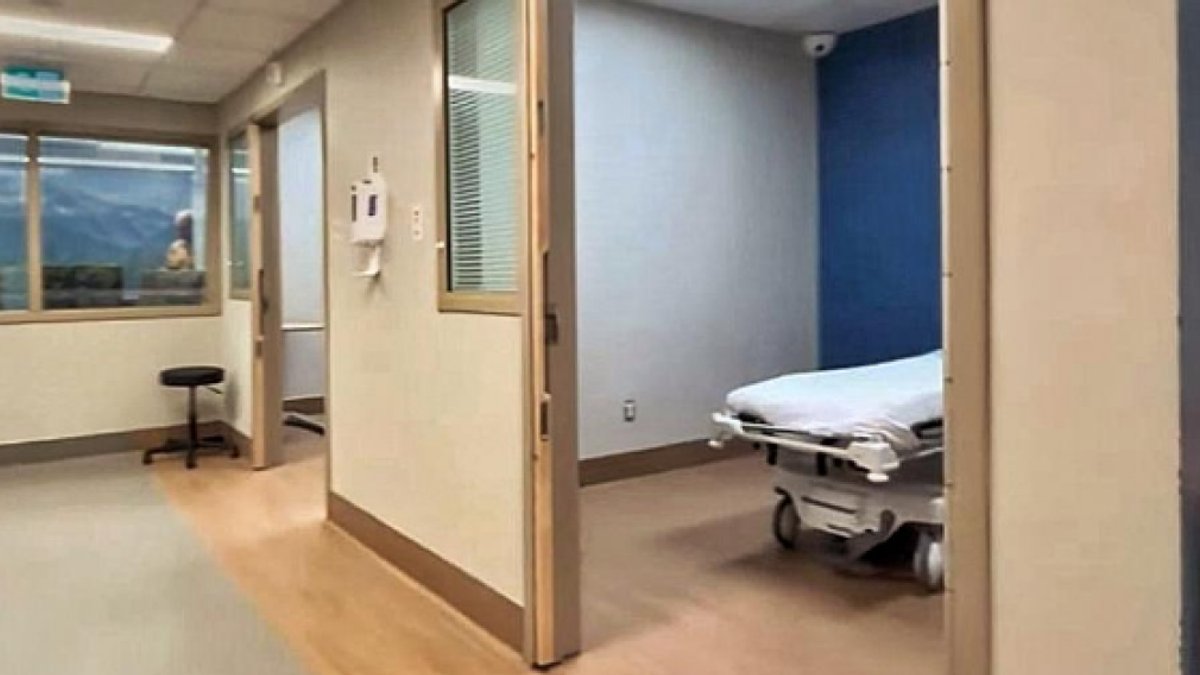
Montfort Hospital in Ottawa takes a different approach to patient safety than most Canadian hospitals, relying on calming design rather than security checkpoints. Its emergency mental health zone, opened in November 2024, features bright colours, nature-inspired wall graphics, and large windows that let in daylight. The space avoids locked doors and surveillance in favor of environmental cues meant to reduce agitation.
Two Paths to Safety
At the opposite end of the country, Winnipeg’s Health Sciences Centre uses a heavily secured model. Visitors pass through turnstiles, police patrol the corridors, and AI-powered weapons scanners monitor both adult and pediatric emergency rooms. These contrasting environments reflect a wider divide in how Canadian hospitals address rising safety concerns.
Despite widespread adoption of security measures, no data confirms their effectiveness in improving safety outcomes. A 2022 article in The Hastings Center Report argues that hospital design itself shapes behavior and emotional states. The authors—four experts in medicine, architecture, and bioethics—contend that leaders often overlook how physical spaces influence patients.
Rising Tensions and Worker Pushback
Violence in healthcare is increasing. A recent cross-country survey of nurses found that 95 per cent of them experienced some form of violence or harassment in the past year. Nursing unions have responded by grey-listing certain hospitals, including the Health Sciences Centre in Winnipeg, advising members against seeking employment there.
Lisa Streeter, a clinical nurse specialist in Winnipeg, frames safety as a shared goal. “Violence can be directed at staff or patients. It is also about patients and families feeling safe in accessing the care that we provide” she says.
Related Post: Singing benefits seniors’ mental and physical health
Design as Prevention
The Montfort unit shows how architecture can support de-escalation. Cédric du Montier, the project architect with Parkin Architects, highlighted features like perforated glass at the nursing station. “So, when you are in the patient environment you don’t feel observed,” he said. Visual connection remains intact without the feeling of surveillance.
Peter Sampson of Public City Architecture links design to dignity. “Do people feel a sense of belonging when they come to that space?” he asked. “If you offer something compelling that strikes a sense of awe in people… they will feel appreciated no matter who they are.”
Evidence Over Enforcement
Security-focused measures dominate current trends, yet their impact remains unproven. The Hastings authors suggest that prevention through design may offer a more humane alternative. As hospitals struggle with rising incident rates, models like Montfort’s mental health zone point toward a shift in thinking, from responding to violence to preventing it through environment.
Design Elements That Reduce Tension
The Montfort emergency mental health zone features brightly coloured furniture, walls painted in tones of blue and warm white, and a wall graphic depicting the Rocky Mountains. Large windows and sightlines to the outdoors enhance natural light and create calming views.

Top 10 Foods for Digestive Health


