
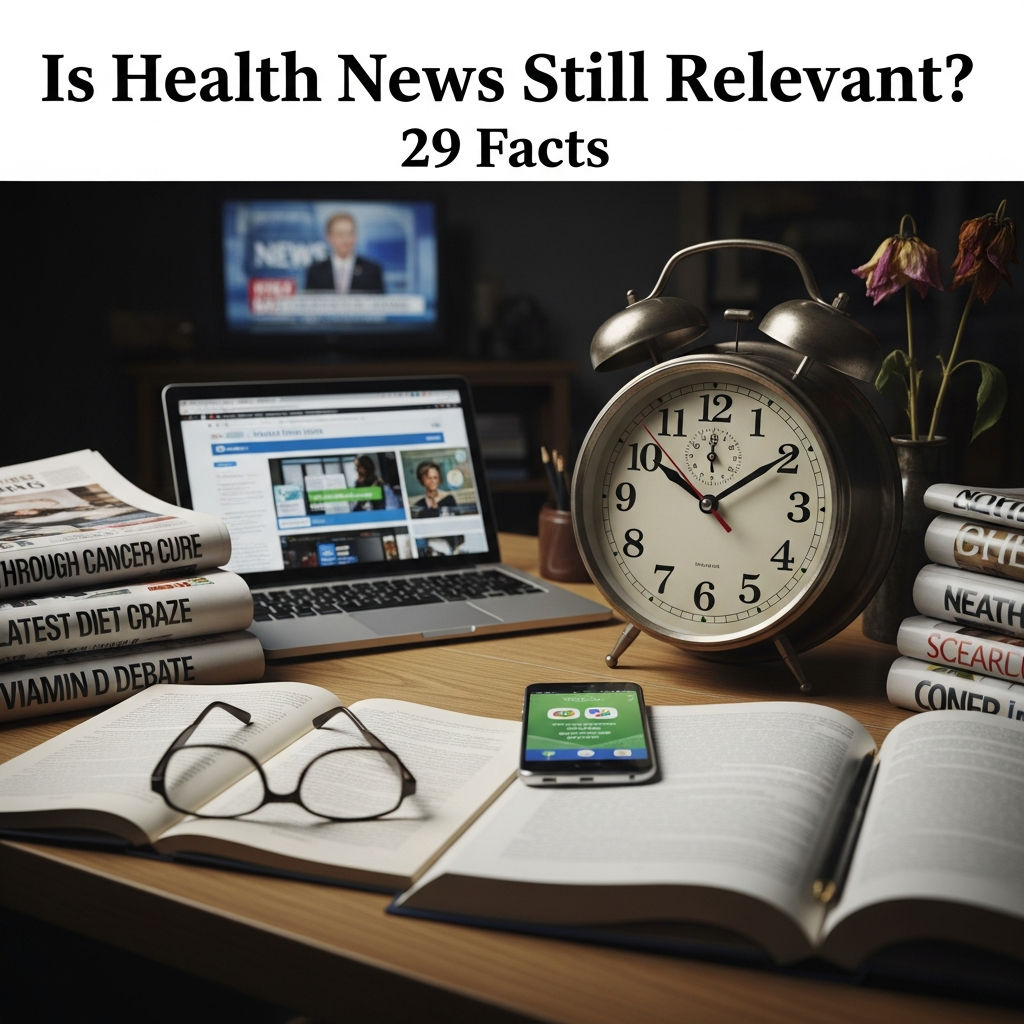
Is Health News Still Relevant? 29 Compelling Facts You Need to Know
In an era dominated by viral TikTok trends, “biohacking” influencers, and the instant gratification of AI-generated answers, a critical question arises: Is traditional health news still relevant? With the sheer volume of information available at our fingertips, the line between evidence-based reporting and sensationalist “health-tainment” has blurred.
However, the relevance of health news has never been higher. As we navigate a post-pandemic world and a revolution in medical technology, staying informed through credible journalistic channels is a matter of public safety. Below, we explore 29 facts that prove health news remains the backbone of personal and public well-being.
The Role of Health News in Public Safety
Health news serves as the primary bridge between complex scientific laboratories and the general public. Without it, life-saving information would remain trapped in paywalled academic journals.
- 1. Early Warning Systems: Health news outlets are the first to report on emerging infectious diseases, providing early warnings that can prevent localized outbreaks from becoming global pandemics.
- 2. FDA Recalls: Millions of people rely on health news to learn about contaminated food products or defective medical devices that the FDA has flagged for recall.
- 3. Vaccine Updates: From annual flu strains to new RSV shots, news organizations provide the logistical details necessary for public immunization efforts.
- 4. Mental Health Destigmatization: Consistent reporting on depression, anxiety, and neurodivergence has played a documented role in reducing the social stigma surrounding mental health care.
- 5. Crisis Management: During natural disasters or environmental crises (like the East Palestine train derailment), health news provides essential guidance on air and water safety.
The Battle Against Misinformation
The “infodemic” is real. With so much false information circulating, the “curation” and “verification” aspects of health journalism are more valuable than ever.
- 6. The 80% Rule: According to various studies, approximately 80% of internet users search for health information online, making the accuracy of those search results a public health priority.
- 7. The “Dr. Google” Danger: Health news acts as a corrective lens for self-diagnosis, which often leads to unnecessary anxiety (cyberchondria) or delayed professional treatment.
- 8. Fact-Checking Social Media: Credible health journalists spend a significant portion of their time debunking dangerous viral trends, such as “internal showers” or unverified weight loss supplements.
- 9. Transparency in Research: Health news explains the difference between a small-scale study on mice and a peer-reviewed clinical trial on humans, preventing the public from overestimating new “cures.”
- 10. Identifying Conflict of Interest: Expert health reporting uncovers whether a “breakthrough study” was funded by a company that stands to profit from the results.
Technological and Medical Innovation
We are living through a golden age of medical discovery. Health news translates these high-tech advancements into language that patients and investors can understand.
- 11. AI in Medicine: News coverage helps patients understand how Artificial Intelligence is being used to detect cancer earlier than ever before.
- 12. The CRISPR Revolution: Coverage of gene-editing technology keeps the public informed about potential cures for sickle cell anemia and other genetic disorders.
- 13. Telehealth Trends: Reporting on the efficacy and legality of virtual care has helped millions transition to digital appointments during and after the pandemic.
- 14. Wearable Tech Data: Health journalism analyzes whether the data from your Apple Watch or Oura Ring is actually medically significant.
- 15. Longevity Science: As “biohacking” goes mainstream, health news separates legitimate science (like cellular senescence) from expensive, unproven anti-aging gimmicks.
The Economics of Health
Health is not just a biological issue; it is a financial one. News regarding policy and insurance directly impacts the wallets of every citizen.

- 16. Policy Changes: Updates on the Affordable Care Act (ACA), Medicare, and Medicaid are essential for individuals planning their long-term care.
- 17. Drug Pricing Transparency: Health news shines a light on the rising costs of insulin and other life-saving medications, often sparking legislative action.
- 18. Insurance Navigation: Articles explaining “open enrollment” or “in-network vs. out-of-network” costs provide practical financial literacy to readers.
- 19. The Wellness Economy: With the global wellness market valued at over $5 trillion, health news critiques whether high-priced supplements and retreats are worth the investment.
- 20. Workplace Wellness: News reporting on burnout and the “four-day workweek” influences corporate policies regarding employee mental health.
Consumer Behavior and Media Consumption
How we consume health news is changing, but the core need for authoritative content remains constant.
- 21. The Rise of Newsletters: Niche health newsletters have seen a surge in subscriptions, as readers look for curated, expert-led digests delivered to their inboxes.
- 22. Podcast Authority: Medical experts hosting podcasts have become a primary source of deep-dive health news for younger demographics.
- 23. Short-Form Education: Reputable organizations (like the Mayo Clinic or WHO) have adapted to TikTok and Instagram to meet users where they are with bite-sized news.
- 24. Patient Advocacy: Health news empowers patients to ask their doctors better questions, leading to a “shared decision-making” model of care.
- 25. Niche Community Support: Reporting on rare diseases helps isolated patients find communities and clinical trials they might never have discovered otherwise.
The Verdict: Why It Still Matters
The final four facts summarize the enduring necessity of health journalism in a chaotic digital world.
- 26. Bridging the Literacy Gap: Health news simplifies “medicalese,” ensuring that someone without a PhD can understand their own diagnosis.
- 27. Accountability: Journalists hold pharmaceutical companies, hospitals, and government agencies accountable for their actions and promises.
- 28. Behavioral Motivation: Well-researched stories on the benefits of sleep, exercise, or diet often serve as the “nudge” individuals need to make lasting lifestyle changes.
- 29. Democratic Health: Access to accurate health information is increasingly viewed as a human right; health news is the vehicle that delivers that right to the masses.
Conclusion: The Future of Health News
Is health news still relevant? Absolutely. However, its form is evolving. We are moving away from a world of “one-size-fits-all” medical advice toward a landscape of personalized, high-frequency updates. The relevance of health news today lies in its ability to act as a filter—separating the signal from the noise.
As AI continues to flood the internet with generic content, the value of a trusted health journalist who can interview experts, verify data, and provide ethical context will only increase. For the modern consumer, the challenge isn’t finding health news; it’s ensuring the news they find is backed by the rigorous standards of professional journalism. By staying informed through reliable sources, you aren’t just reading articles—you are taking an active role in your own longevity and the health of your community.