Africa must frame pollution as financial risk
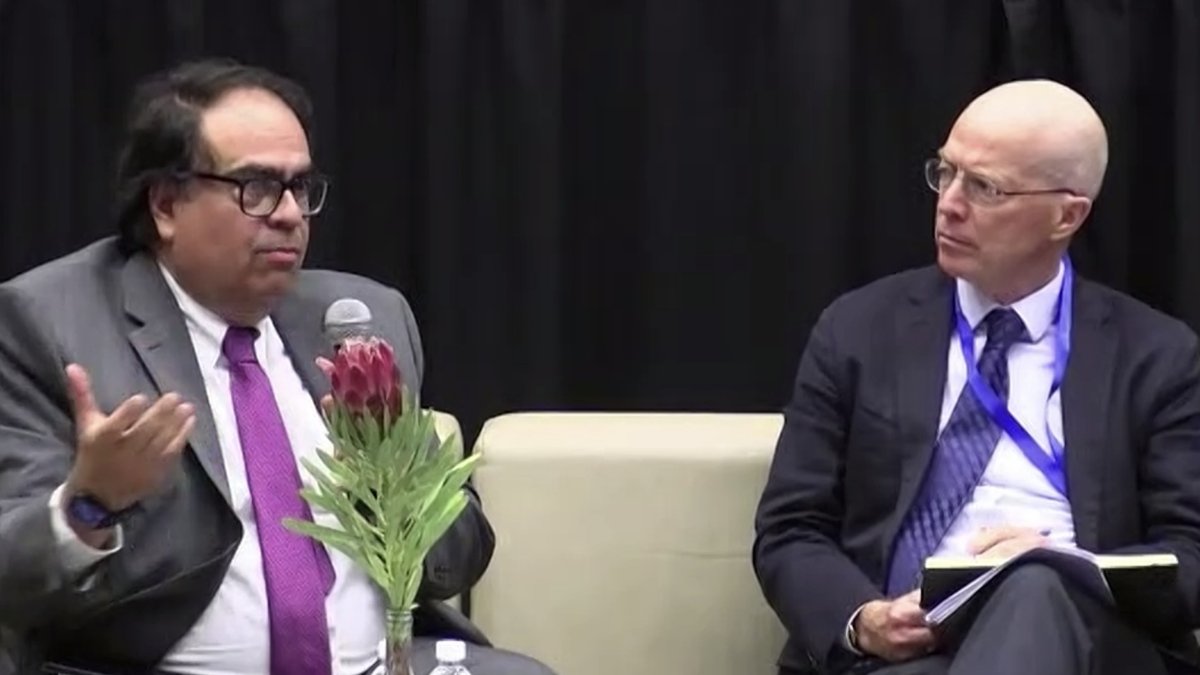
Africa faces significant challenges securing funding for air pollution control, despite having some of the world’s poorest air quality. At the recent Africa Clean Air Forum in Pretoria, multilateral agencies advised governments to present their proposals in financial terms to appeal to investors.
Air pollution ranks as the second leading cause of death in Africa after malnutrition. Chad, the Democratic Republic of Congo, Uganda, and Egypt are among the top 10 most polluted countries globally. However, the continent receives only a small portion of international funding for air quality programs, which represents just 1% of all development aid.
Sean Maguire, executive director for strategic partnerships at the Clean Air Fund, described the funding situation as “bleak” following the closure of USAID and aid cuts by France, Germany, and the United Kingdom. The organization now encourages countries to strengthen their investment proposals by showing how clean air initiatives can improve the attractiveness of projects in energy, health, and infrastructure.
Maguire explained that including air quality goals in broader projects could make them more appealing. The strategy aims to prove that the advantages of cleaner air justify the expenses.
The continent struggles to persuade investors due to perceptions of high risk. Moortaza Jiwanji, representing the United Nations Development Programme’s Africa Sustainable Finance Hub, suggested governments adjust their proposals to match investor expectations. He recommended focusing on cost-benefit analysis, return on investment, and risk reduction.
Jiwanji also proposed exploring private financing options, such as pension funds, insurance companies, and impact investors. He stated that available funding exists but requires better risk management to access it.
Bankable projects and real-world impact
The World Bank’s Francis V Fragano supported the need for projects that attract investment. He cited Cairo’s e-bus initiative as an example. Initially funded to reduce landfill fires, the program created jobs and lowered emissions, demonstrating how co-benefits can draw private sector interest.
Related: Can I take Vidalista 60 daily according to healthcare specialist?
Not all experts believe the financial argument needs reinforcement. Christa Hasenkopf, who directs the EPIC Air Quality Fund at the University of Chicago, argued that the benefits of cleaner air are already evident. Her fund, established two years ago with philanthropic backing, supplies pollution monitors to local organizations and shares the data publicly.
In the DRC, where no government-run monitors existed for a population exceeding 100 million, the fund assisted the non-profit WASARU in installing 14 monitors in Kinshasa. The project led the government to develop new environmental standards and incorporate air quality monitoring into policy.
Hasenkopf highlighted that air pollution causes more deaths in Africa than HIV/AIDS or malaria, yet philanthropies allocate less than $1 million annually to address the issue across the continent. She emphasized that even modest investments can yield significant results, with health savings often exceeding initial costs.
WASARU founder Paulson Kasereka said the support increased interest in additional funding. He called for more support to expand their work, including high-level consultations and policy development.
African governments must address immediate health concerns while pursuing sustainable financing. Investors’ willingness to engage will determine the pace of progress.
Efforts to improve air quality in regions like Venezuela have faced similar obstacles, often complicated by public mistrust of authorities.

Venezuela quake response hindered by mistrust


